
A Practical Guide to Selecting Quality Wood Furniture
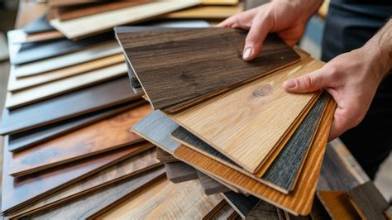
Wood furniture brings warmth, character, and a timeless quality to interior spaces. Whether it is a dining table, bedroom set, coffee table, bookcase, dresser, or accent piece, wooden furniture can complement a wide range of decorating styles. However, choosing the right wooden furniture requires more than finding a color that matches your room.
Different Wood Types have different characteristics, including grain appearance, density, strength, color, and maintenance requirements. Some are naturally suited to heavy everyday use, while others are selected primarily for their appearance or affordability. Understanding these differences can make it easier to compare furniture and choose pieces that fit your home.
As part of practical Furniture Buying Tips, learning about wood materials can help you understand furniture descriptions, evaluate construction, and make better decisions based on your budget and lifestyle.
What Makes Wood Important in Furniture?
The material used in a furniture piece affects its overall appearance and performance. Natural wood has unique grain patterns and variations that can make every piece look slightly different.
Wood also contributes to the structural integrity of furniture. Tables, chairs, beds, and cabinets all depend on appropriately selected materials and reliable construction.
However, the strongest or most expensive wood is not automatically the best choice. A material should be evaluated according to the furniture's intended purpose.
A decorative side table may not require the same performance characteristics as a dining table used every day. Understanding this distinction is an important first step when shopping.
Popular Hardwood Choices
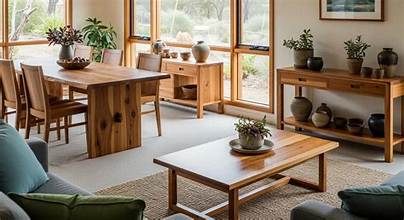
Hardwoods are widely used in furniture because many varieties provide excellent strength and attractive grain patterns.
Oak is a particularly familiar choice. Its visible grain and dependable performance make it suitable for dining tables, chairs, cabinets, and other furniture. Oak can also work with a variety of interior styles, from rustic to contemporary.
Walnut is valued for its rich color and distinctive grain. It can give furniture a sophisticated appearance and is often used for high-end tables, desks, cabinets, and statement pieces.
Maple generally has a lighter appearance with a relatively fine grain. Its clean visual quality makes it suitable for modern and contemporary furniture.
Cherry is recognized for its warm tones and smooth grain. Its color can change naturally over time, contributing to the character of the finished furniture.
These examples demonstrate why understanding individual wood characteristics is more useful than simply categorizing furniture as “wooden.”
Exploring Softwood Furniture
Softwoods are typically obtained from coniferous trees and are generally lighter than many hardwoods.
Pine is one of the most common softwoods used in furniture. It often features visible knots and a lighter color, giving furniture a casual or rustic appearance.
Cedar is another softwood known for its distinctive scent and natural characteristics. It can be used in specific furniture and storage applications.
Softwood furniture can be a practical choice, particularly when a lighter appearance or lower price is desired. However, some softwoods can be more vulnerable to dents and scratches, so consider the level of daily use before buying.
Solid Wood Versus Engineered Materials
A major point to understand when researching Wood Types is the difference between solid wood and engineered wood.
Solid wood consists of natural timber throughout the relevant component. Its grain and natural variations are often visible, and some solid wood furniture can be refinished depending on the finish and construction.
Engineered wood is manufactured from wood fibers, particles, or layers. It is widely used in modern furniture because it offers consistent dimensions and can be suitable for many applications.
Plywood is made by bonding several layers of wood veneer together. Its layered construction can provide strength and stability.
MDF is made from refined wood fibers compressed with adhesives. It has a smooth surface and is often used for painted furniture and cabinetry.
Particleboard is produced from wood particles and is frequently used in cost-conscious furniture construction.
None of these materials should automatically be considered good or bad. Their suitability depends on the design, application, construction, and expected use.
Examine Natural Grain
The grain is an important visual characteristic of natural wood.
Some woods have bold, dramatic grain patterns, while others appear much more uniform. Grain direction can influence the appearance of tabletops, cabinet doors, drawer fronts, and other surfaces.
When shopping for furniture, examine the grain rather than judging the wood only by its overall color.
A natural wood surface may contain variations in tone, knots, and markings. These characteristics are often part of the material's natural appeal.
If you prefer a highly uniform appearance, engineered or painted surfaces may be more appropriate.
Understand the Role of Finish
The finish can dramatically change the appearance of wooden furniture.
A clear finish may preserve the natural appearance of the wood while providing a layer of protection. Stains can deepen the color or give the furniture a different tone while allowing some of the grain to remain visible.
Paint can create a completely different look and may make the material underneath less visually prominent.
When comparing furniture, consider both the underlying material and the finish. Two pieces made from similar wood can look completely different because of their finishing techniques.
Match the Wood to Your Interior
Different wood tones can influence the atmosphere of a room.
Light wood can make a space feel brighter and more open. It can work particularly well with contemporary, minimalist, Scandinavian-inspired, and casual interiors.
Medium-toned wood provides warmth without creating an overly dramatic effect. It is versatile enough to work with many decorating styles.
Dark wood can add depth and sophistication. It can be especially effective in formal dining rooms, traditional studies, elegant bedrooms, and statement living spaces.
When selecting wooden furniture, compare it with the colors and materials already present in your room.
Consider the Furniture's Function
One of the most important Furniture Buying Tips is to choose materials according to function.
Dining tables experience regular contact with plates, dishes, spills, and cleaning. Coffee tables may experience frequent contact with drinks and decorative objects. Chairs and benches must support repeated movement and weight.
Bedroom furniture may have different demands, while decorative furniture can prioritize visual appeal.
Think about how the piece will be used before deciding which material is appropriate.
Look Beyond the Wood Species
Wood quality is important, but construction quality should not be ignored.
Examine how the furniture is assembled. Check the joints, legs, drawer mechanisms, handles, hinges, and other structural elements.
A beautiful wood species cannot make up for weak construction.
For a table, make sure the base feels stable and the surface does not move excessively. For a dresser or cabinet, test the drawers and doors to ensure that they operate smoothly.
Ask the seller about the materials used throughout the product rather than assuming every component is made from the same wood.
Think About Maintenance
Wood furniture generally requires routine care to preserve its appearance.
Dust surfaces regularly and use cleaning products appropriate for the finish. Avoid excessive moisture and wipe spills promptly.
Dining and living room furniture may benefit from coasters, placemats, and other protective measures.
Sunlight should also be considered. Prolonged exposure to direct sunlight can affect some finishes and wood colors over time.
Always follow the manufacturer's specific maintenance instructions because finishes can vary significantly.
Consider Indoor Conditions
Natural wood responds to its surrounding environment. Changes in temperature and humidity can cause some movement as wood expands or contracts.
Try to keep indoor conditions reasonably stable and avoid placing wooden furniture directly beside radiators, heaters, or other strong heat sources.
This consideration is particularly important for large solid wood furniture pieces.
Compare Cost With Value
Different Wood Types can have very different price points. Rare or highly desirable hardwoods may cost more than common woods or engineered materials.
However, price should always be considered alongside construction, intended use, maintenance, and expected lifespan.
A reasonably priced piece made from suitable materials and good construction can provide excellent value. Similarly, a more expensive piece may not be worthwhile if it does not suit your needs.
Think about how long you expect to use the furniture and whether it can continue to work as your needs change.
Questions to Ask Before Buying
Before purchasing wooden furniture, ask a few simple questions.
What type of wood is used? Is it solid wood or engineered material? What finish has been applied? How should the piece be cleaned? Is it designed for everyday use?
You can also ask whether replacement hardware, repairs, or refinishing services are available.
The more information you have, the easier it becomes to compare different products accurately.
Final Thoughts
Understanding Wood Types can make furniture shopping much more straightforward. Oak, walnut, maple, cherry, pine, plywood, MDF, and other materials each have their own characteristics and applications.
The right choice depends on the furniture's purpose, your preferred style, maintenance expectations, budget, and desired longevity. Do not evaluate a piece based solely on its wood species. Consider its construction, finish, stability, and overall quality as well.
By applying these Furniture Buying Tips, you can make more informed decisions and select wooden furniture that combines visual appeal with practical performance. With the right material and proper care, wood furniture can remain a valuable and attractive part of your home for many years.