
A Smart Guide to Choosing Furniture for Every Room

Furniture can completely transform the appearance and functionality of a home, but choosing the right pieces requires more than selecting attractive designs. Every room has its own dimensions, architectural features, traffic patterns, and practical requirements. When furniture is selected without considering these factors, the result can be a room that feels crowded, unbalanced, or difficult to use.
Understanding Space Planning Tips can make the furniture-buying process much easier. By planning the available space before purchasing, homeowners can select pieces that fit comfortably while creating an attractive and functional environment. These principles are also among the most useful Furniture Buying Tips for anyone furnishing a new home or updating an existing interior.
Begin With the Room, Not the Furniture
One of the biggest mistakes people make when shopping for furniture is falling in love with a piece before considering where it will go. Instead, start by studying the room itself.
Measure the length and width of the area and record the location of doors, windows, electrical outlets, built-in storage, and other permanent features. These details help determine which furniture dimensions are realistic.
A room should guide your furniture choices rather than the other way around. Once you understand the available space, it becomes much easier to identify suitable sizes and styles.
Determine What the Room Needs
Before buying anything, make a list of the functions the room needs to perform.
A living room may need comfortable seating, a television area, occasional tables, and storage. A bedroom may require a bed, nightstands, a wardrobe, and a dresser. A dining area may need a table, chairs, and storage for dishes or serving items.
Separating essential furniture from optional pieces prevents unnecessary purchases. It also helps you prioritize the available floor space.
Measure Furniture Before Purchasing
Furniture dimensions should always be checked before making a final decision. Do not rely on photographs or general descriptions such as "large" or "compact."
Pay attention to width, depth, and height. A sofa with a relatively small width may still have significant depth and take up more floor space than expected.
For larger furniture, record the exact measurements and compare them with your room measurements. This simple habit is one of the most important Furniture Buying Tips because it reduces the risk of choosing pieces that overwhelm the space.
Remember the Entry Route
A piece of furniture can fit perfectly inside a room and still be impossible to deliver through the front door.
Before purchasing large furniture, measure doorways, hallways, staircases, elevators, and other access points. Consider whether the furniture can be turned or angled through tight areas.
This is particularly important for sofas, wardrobes, beds, dining tables, and large cabinets.
Planning the delivery route in advance can prevent unpleasant surprises after purchase.
Establish Comfortable Circulation
A well-designed room should allow people to move naturally. Furniture should not create obstacles between doors, seating areas, storage, and other frequently used locations.
When planning the layout, imagine your normal routine. Walk mentally from the entrance to the sofa, from the sofa to the kitchen, or from the bed to the wardrobe.
If the layout requires constant maneuvering around furniture, the room probably needs a different arrangement.
Think About Conversation Areas
In living rooms, furniture should encourage interaction. Instead of placing every piece against a wall, consider creating a central conversation area.
Sofas and chairs can be arranged so that people can comfortably see and speak to one another. A coffee table can provide a practical center point while helping connect the seating pieces visually.
The ideal arrangement depends on the room's size, but the principle remains the same: furniture should support the activities that take place there.
Choose the Right Dining Table Size
Dining areas require careful planning because chairs need additional space around the table.
When choosing a dining table, consider how many people normally use it and whether you regularly host additional guests. An extendable table can be a practical solution for homes that need flexibility.
Remember to consider the space required to pull chairs away from the table. A table that technically fits the room may still be too large if there is not enough clearance around it.
Plan the Bedroom Around the Bed
The bed is usually the largest and most important piece in a bedroom, so it should be considered first.
Determine where the bed will provide the best access and visual balance. Then consider the placement of nightstands, wardrobes, dressers, benches, and other pieces.
Leave enough space around the bed for comfortable movement and make sure wardrobe and dresser doors or drawers can open properly.
A bedroom should feel calm and uncluttered, which makes careful planning particularly valuable.
Make Small Rooms Feel More Open
Small rooms require thoughtful furniture choices. Instead of filling them with numerous pieces, focus on furniture that provides the greatest practical value.
Slim-profile sofas, compact dining tables, multifunctional storage, and furniture with visible floor space underneath can help create a lighter appearance.
Using fewer but better-selected pieces can often make a small room feel significantly larger.
Use Large Rooms Effectively
Large rooms create different challenges. An oversized space can feel empty when furniture is too small or scattered without a clear purpose.
Use furniture to create distinct zones. A large living room could contain a primary seating area and a separate reading corner. In an open-plan space, a sofa, console, or rug can visually separate one area from another.
The objective is to make a large room feel purposeful without filling every empty section.
Pay Attention to Proportion
Proportion is essential when combining multiple pieces. A large sectional paired with a tiny coffee table can look unbalanced. Similarly, a small bed surrounded by oversized bedroom furniture can make the room feel disproportionate.
Compare the scale of furniture pieces with one another and with the architecture of the room.
Balanced proportions help create a more polished and intentional interior.
Consider Windows and Natural Light
Natural light can strongly influence how a room feels. Avoid placing tall furniture directly in front of windows unless there is a specific reason to do so.
Think about how sunlight enters the room throughout the day and whether furniture could block it.
Placing seating near natural light can also create pleasant areas for reading or relaxing. Furniture should work with the room's lighting rather than interfere with it.
Leave Space for Doors and Drawers
A furniture layout must account for movement within each piece. Cabinets, wardrobes, dressers, and nightstands all require clearance.
Before buying storage furniture, open the doors or drawers in your imagination and determine whether another piece of furniture will block them.
This detail is easy to overlook but can have a major effect on everyday convenience.
Consider Flexible Furniture
Furniture that can adapt to different situations can be particularly valuable. Extendable dining tables, modular sofas, nesting tables, ottomans with storage, and beds with built-in drawers can help maximize functionality.
Flexible furniture can also make it easier to change a room's layout in the future.
When reviewing Space Planning Tips, flexibility should be considered alongside appearance and size.
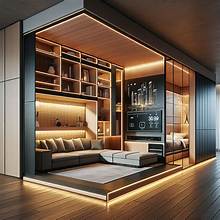
Use a Simple Layout Before Shopping
A simple floor plan can help you test furniture arrangements before making purchases. Draw the room dimensions and mark permanent features such as doors and windows.
Then add approximate dimensions for the furniture you are considering.
Try several arrangements and compare them. You may discover that moving a sofa to another wall or changing the position of a dining table creates much better circulation.
Avoid Filling Every Empty Space
An empty area is not necessarily wasted space. Open areas can make a room feel more comfortable and provide visual breathing room.
Do not purchase furniture simply because there is an empty corner. Every item should have a purpose.
A carefully edited room often looks more sophisticated than one filled with too many decorative or functional pieces.
Review the Complete Furniture Plan
Before finalizing your purchases, look at the room as a whole. Consider whether the furniture sizes work together, whether the pathways remain clear, and whether the arrangement supports your lifestyle.
Also think about colors, materials, shapes, and heights. A successful furniture arrangement should feel cohesive rather than like a collection of unrelated purchases.
Final Thoughts on Space Planning Tips
Smart furniture shopping begins with smart planning. By understanding the dimensions of your room, identifying its purpose, measuring furniture carefully, considering circulation, and choosing pieces according to proportion, you can avoid many common design mistakes.
The best Space Planning Tips help you create rooms that are comfortable, practical, and visually balanced. At the same time, these ideas are valuable Furniture Buying Tips because they encourage you to consider how furniture will function before committing to a purchase.
Whether you are furnishing a small bedroom, spacious living room, dining area, or open-plan home, careful planning can make every piece work harder and look better. Instead of simply filling a room, aim to create an environment where furniture, movement, storage, lighting, and everyday activities work together naturally.