<?xml version="1.0" encoding="utf-8"?>
<feed xmlns="http://www.w3.org/2005/Atom" xmlns:media="http://search.yahoo.com/mrss/">
    <title>Modern Living Hub </title>
    <link href="https://shelygras.pages.dev/feed.xml" rel="self" />
    <link href="https://shelygras.pages.dev" />
    <updated>2026-10-13T17:01:34+03:00</updated>
    <author>
        <name>Oliver Reed</name>
    </author>
    <id>https://shelygras.pages.dev</id>

    <entry>
        <title>A Smart Guide to Choosing Furniture for Every Room</title>
        <author>
            <name>Oliver Reed</name>
        </author>
        <link href="https://shelygras.pages.dev/a-smart-guide-to-choosing-furniture-for-every-room.html"/>
        <id>https://shelygras.pages.dev/a-smart-guide-to-choosing-furniture-for-every-room.html</id>
        <media:content url="https://shelygras.pages.dev/media/posts/15/smart-furniture-2025.jpg" medium="image" />
            <category term="Space Planning Tips"/>
            <category term="Furniture Buying Tips"/>

        <updated>2026-10-13T16:58:02+03:00</updated>
            <summary type="html">
                <![CDATA[
                        <img src="https://shelygras.pages.dev/media/posts/15/smart-furniture-2025.jpg" alt="" />
                    Furniture can completely transform the appearance and functionality of a home, but choosing the right pieces requires more than selecting&hellip;
                ]]>
            </summary>
        <content type="html">
            <![CDATA[
                    <p><img src="https://shelygras.pages.dev/media/posts/15/smart-furniture-2025.jpg" class="type:primaryImage" alt="" /></p>
                <p>Furniture can completely transform the appearance and functionality of a home, but choosing the right pieces requires more than selecting attractive designs. Every room has its own dimensions, architectural features, traffic patterns, and practical requirements. When furniture is selected without considering these factors, the result can be a room that feels crowded, unbalanced, or difficult to use.</p>
<p>Understanding <strong>Space Planning Tips</strong> can make the furniture-buying process much easier. By planning the available space before purchasing, homeowners can select pieces that fit comfortably while creating an attractive and functional environment. These principles are also among the most useful <strong><a href="#INTERNAL_LINK#/post/null">Furniture Buying Tips</a></strong> for anyone furnishing a new home or updating an existing interior.</p>
<h2>Begin With the Room, Not the Furniture</h2>
<p>One of the biggest mistakes people make when shopping for furniture is falling in love with a piece before considering where it will go. Instead, start by studying the room itself.</p>
<p>Measure the length and width of the area and record the location of doors, windows, electrical outlets, built-in storage, and other permanent features. These details help determine which furniture dimensions are realistic.</p>
<p>A room should guide your furniture choices rather than the other way around. Once you understand the available space, it becomes much easier to identify suitable sizes and styles.</p>
<h2>Determine What the Room Needs</h2>
<p>Before buying anything, make a list of the functions the room needs to perform.</p>
<p>A living room may need comfortable seating, a television area, occasional tables, and storage. A bedroom may require a bed, nightstands, a wardrobe, and a dresser. A dining area may need a table, chairs, and storage for dishes or serving items.</p>
<p>Separating essential furniture from optional pieces prevents unnecessary purchases. It also helps you prioritize the available floor space.</p>
<h2>Measure Furniture Before Purchasing</h2>
<p>Furniture dimensions should always be checked before making a final decision. Do not rely on photographs or general descriptions such as "large" or "compact."</p>
<p>Pay attention to width, depth, and height. A sofa with a relatively small width may still have significant depth and take up more floor space than expected.</p>
<p>For larger furniture, record the exact measurements and compare them with your room measurements. This simple habit is one of the most important <strong>Furniture Buying Tips</strong> because it reduces the risk of choosing pieces that overwhelm the space.</p>
<h2>Remember the Entry Route</h2>
<p>A piece of furniture can fit perfectly inside a room and still be impossible to deliver through the front door.</p>
<p>Before purchasing large furniture, measure doorways, hallways, staircases, elevators, and other access points. Consider whether the furniture can be turned or angled through tight areas.</p>
<p>This is particularly important for sofas, wardrobes, beds, dining tables, and large cabinets.</p>
<p>Planning the delivery route in advance can prevent unpleasant surprises after purchase.</p>
<h2>Establish Comfortable Circulation</h2>
<p>A well-designed room should allow people to move naturally. Furniture should not create obstacles between doors, seating areas, storage, and other frequently used locations.</p>
<p>When planning the layout, imagine your normal routine. Walk mentally from the entrance to the sofa, from the sofa to the kitchen, or from the bed to the wardrobe.</p>
<p>If the layout requires constant maneuvering around furniture, the room probably needs a different arrangement.</p>
<h2>Think About Conversation Areas</h2>
<p>In living rooms, furniture should encourage interaction. Instead of placing every piece against a wall, consider creating a central conversation area.</p>
<p>Sofas and chairs can be arranged so that people can comfortably see and speak to one another. A coffee table can provide a practical center point while helping connect the seating pieces visually.</p>
<p>The ideal arrangement depends on the room's size, but the principle remains the same: furniture should support the activities that take place there.</p>
<h2>Choose the Right Dining Table Size</h2>
<p>Dining areas require careful planning because chairs need additional space around the table.</p>
<p>When choosing a dining table, consider how many people normally use it and whether you regularly host additional guests. An extendable table can be a practical solution for homes that need flexibility.</p>
<p>Remember to consider the space required to pull chairs away from the table. A table that technically fits the room may still be too large if there is not enough clearance around it.</p>
<h2>Plan the Bedroom Around the Bed</h2>
<p>The bed is usually the largest and most important piece in a bedroom, so it should be considered first.</p>
<p>Determine where the bed will provide the best access and visual balance. Then consider the placement of nightstands, wardrobes, dressers, benches, and other pieces.</p>
<p>Leave enough space around the bed for comfortable movement and make sure wardrobe and dresser doors or drawers can open properly.</p>
<p>A bedroom should feel calm and uncluttered, which makes careful planning particularly valuable.</p>
<h2>Make Small Rooms Feel More Open</h2>
<p>Small rooms require thoughtful furniture choices. Instead of filling them with numerous pieces, focus on furniture that provides the greatest practical value.</p>
<p>Slim-profile sofas, compact dining tables, multifunctional storage, and furniture with visible floor space underneath can help create a lighter appearance.</p>
<p>Using fewer but better-selected pieces can often make a small room feel significantly larger.</p>
<h2>Use Large Rooms Effectively</h2>
<p>Large rooms create different challenges. An oversized space can feel empty when furniture is too small or scattered without a clear purpose.</p>
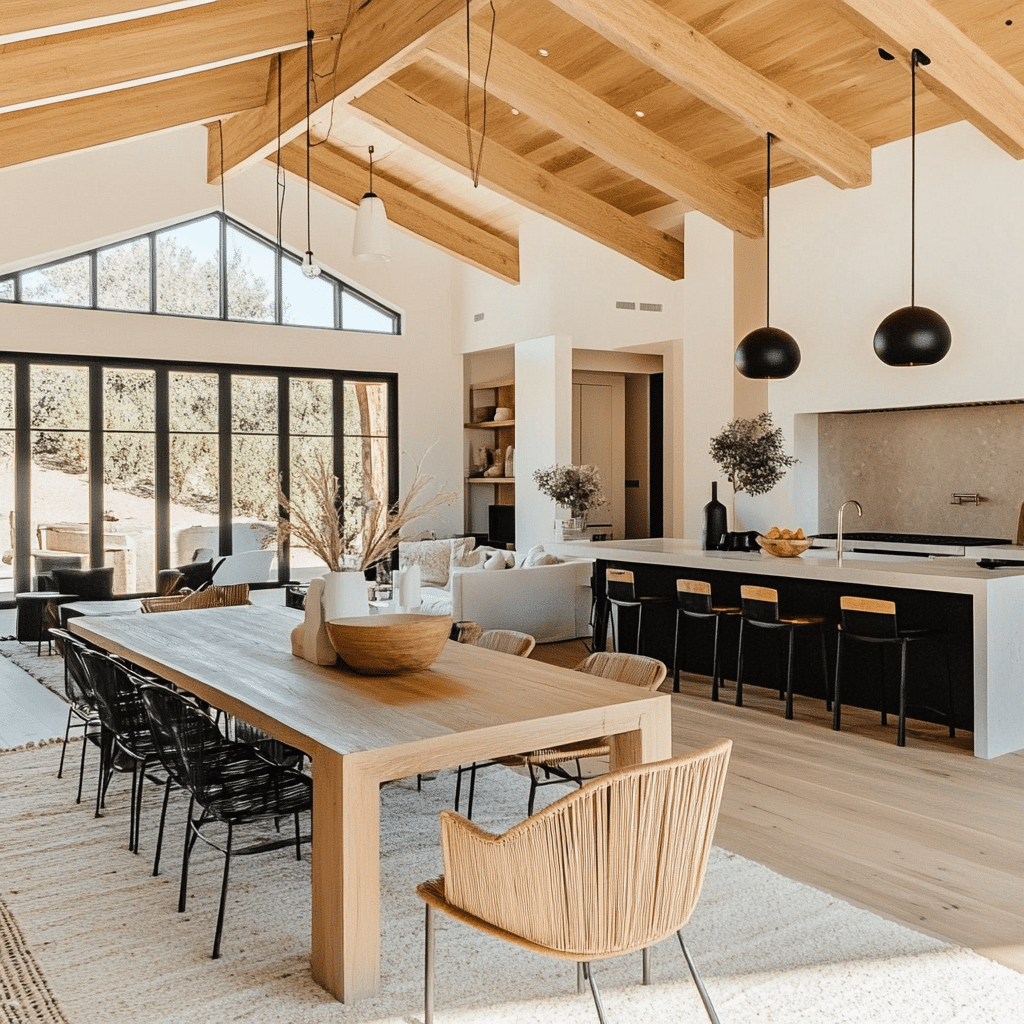
<p>Use furniture to create distinct zones. A large living room could contain a primary seating area and a separate reading corner. In an open-plan space, a sofa, console, or rug can visually separate one area from another.</p>
<p>The objective is to make a large room feel purposeful without filling every empty section.</p>
<h2>Pay Attention to Proportion</h2>
<p>Proportion is essential when combining multiple pieces. A large sectional paired with a tiny coffee table can look unbalanced. Similarly, a small bed surrounded by oversized bedroom furniture can make the room feel disproportionate.</p>
<p>Compare the scale of furniture pieces with one another and with the architecture of the room.</p>
<p>Balanced proportions help create a more polished and intentional interior.</p>
<h2>Consider Windows and Natural Light</h2>
<p>Natural light can strongly influence how a room feels. Avoid placing tall furniture directly in front of windows unless there is a specific reason to do so.</p>
<p>Think about how sunlight enters the room throughout the day and whether furniture could block it.</p>
<p>Placing seating near natural light can also create pleasant areas for reading or relaxing. Furniture should work with the room's lighting rather than interfere with it.</p>
<h2>Leave Space for Doors and Drawers</h2>
<p>A furniture layout must account for movement within each piece. Cabinets, wardrobes, dressers, and nightstands all require clearance.</p>
<p>Before buying storage furniture, open the doors or drawers in your imagination and determine whether another piece of furniture will block them.</p>
<p>This detail is easy to overlook but can have a major effect on everyday convenience.</p>
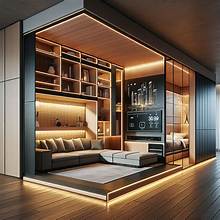
<h2>Consider Flexible Furniture</h2>
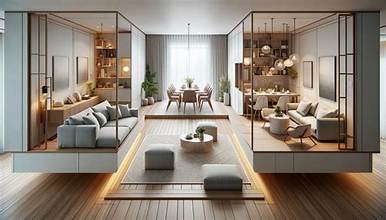
<p>Furniture that can adapt to different situations can be particularly valuable. Extendable dining tables, modular sofas, nesting tables, ottomans with storage, and beds with built-in drawers can help maximize functionality.</p>
<p>Flexible furniture can also make it easier to change a room's layout in the future.</p>
<p>When reviewing <strong>Space Planning Tips</strong>, flexibility should be considered alongside appearance and size.</p>
<figure class="post__image post__image--wide"><img loading="lazy"  src="https://shelygras.pages.dev/media/posts/15/OIP-14.jfif" alt="" width="220" height="220"></figure>
<h2>Use a Simple Layout Before Shopping</h2>
<p>A simple floor plan can help you test furniture arrangements before making purchases. Draw the room dimensions and mark permanent features such as doors and windows.</p>
<p>Then add approximate dimensions for the furniture you are considering.</p>
<p>Try several arrangements and compare them. You may discover that moving a sofa to another wall or changing the position of a dining table creates much better circulation.</p>
<h2>Avoid Filling Every Empty Space</h2>
<p>An empty area is not necessarily wasted space. Open areas can make a room feel more comfortable and provide visual breathing room.</p>
<p>Do not purchase furniture simply because there is an empty corner. Every item should have a purpose.</p>
<p>A carefully edited room often looks more sophisticated than one filled with too many decorative or functional pieces.</p>
<h2>Review the Complete Furniture Plan</h2>
<p>Before finalizing your purchases, look at the room as a whole. Consider whether the furniture sizes work together, whether the pathways remain clear, and whether the arrangement supports your lifestyle.</p>
<p>Also think about colors, materials, shapes, and heights. A successful furniture arrangement should feel cohesive rather than like a collection of unrelated purchases.</p>
<h2>Final Thoughts on Space Planning Tips</h2>
<p>Smart furniture shopping begins with smart planning. By understanding the dimensions of your room, identifying its purpose, measuring furniture carefully, considering circulation, and choosing pieces according to proportion, you can avoid many common design mistakes.</p>
<p>The best <strong>Space Planning Tips</strong> help you create rooms that are comfortable, practical, and visually balanced. At the same time, these ideas are valuable <strong>Furniture Buying Tips</strong> because they encourage you to consider how furniture will function before committing to a purchase.</p>
<p>Whether you are furnishing a small bedroom, spacious living room, dining area, or open-plan home, careful planning can make every piece work harder and look better. Instead of simply filling a room, aim to create an environment where furniture, movement, storage, lighting, and everyday activities work together naturally.</p>
            ]]>
        </content>
    </entry>
    <entry>
        <title>A Practical Guide to Selecting Quality Wood Furniture</title>
        <author>
            <name>Oliver Reed</name>
        </author>
        <link href="https://shelygras.pages.dev/a-practical-guide-to-selecting-quality-wood-furniture.html"/>
        <id>https://shelygras.pages.dev/a-practical-guide-to-selecting-quality-wood-furniture.html</id>
        <media:content url="https://shelygras.pages.dev/media/posts/14/OIP-13.jfif" medium="image" />
            <category term="Wood Types"/>
            <category term="Furniture Buying Tips"/>

        <updated>2026-10-13T16:54:45+03:00</updated>
            <summary type="html">
                <![CDATA[
                        <img src="https://shelygras.pages.dev/media/posts/14/OIP-13.jfif" alt="" />
                    Wood furniture brings warmth, character, and a timeless quality to interior spaces. Whether it is a dining table, bedroom set,&hellip;
                ]]>
            </summary>
        <content type="html">
            <![CDATA[
                    <p><img src="https://shelygras.pages.dev/media/posts/14/OIP-13.jfif" class="type:primaryImage" alt="" /></p>
                <p>Wood furniture brings warmth, character, and a timeless quality to interior spaces. Whether it is a dining table, bedroom set, coffee table, bookcase, dresser, or accent piece, wooden furniture can complement a wide range of decorating styles. However, choosing the right wooden furniture requires more than finding a color that matches your room.</p>
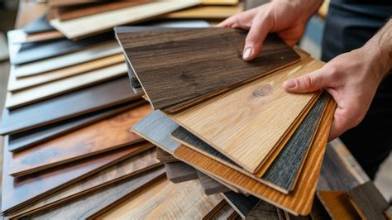
<p>Different <strong>Wood Types</strong> have different characteristics, including grain appearance, density, strength, color, and maintenance requirements. Some are naturally suited to heavy everyday use, while others are selected primarily for their appearance or affordability. Understanding these differences can make it easier to compare furniture and choose pieces that fit your home.</p>
<p>As part of practical <strong><a href="https://shelygras.pages.dev/a-smart-guide-to-choosing-furniture-for-every-room.html">Furniture Buying Tips</a></strong>, learning about wood materials can help you understand furniture descriptions, evaluate construction, and make better decisions based on your budget and lifestyle.</p>
<h2>What Makes Wood Important in Furniture?</h2>
<p>The material used in a furniture piece affects its overall appearance and performance. Natural wood has unique grain patterns and variations that can make every piece look slightly different.</p>
<p>Wood also contributes to the structural integrity of furniture. Tables, chairs, beds, and cabinets all depend on appropriately selected materials and reliable construction.</p>
<p>However, the strongest or most expensive wood is not automatically the best choice. A material should be evaluated according to the furniture's intended purpose.</p>
<p>A decorative side table may not require the same performance characteristics as a dining table used every day. Understanding this distinction is an important first step when shopping.</p>
<figure class="post__image post__image--wide"><img loading="lazy"  src="https://shelygras.pages.dev/media/posts/14/OIP-12.jfif" alt="" width="404" height="220"></figure>
<h2>Popular Hardwood Choices</h2>
<p>Hardwoods are widely used in furniture because many varieties provide excellent strength and attractive grain patterns.</p>
<p>Oak is a particularly familiar choice. Its visible grain and dependable performance make it suitable for dining tables, chairs, cabinets, and other furniture. Oak can also work with a variety of interior styles, from rustic to contemporary.</p>
<p>Walnut is valued for its rich color and distinctive grain. It can give furniture a sophisticated appearance and is often used for high-end tables, desks, cabinets, and statement pieces.</p>
<p>Maple generally has a lighter appearance with a relatively fine grain. Its clean visual quality makes it suitable for modern and contemporary furniture.</p>
<p>Cherry is recognized for its warm tones and smooth grain. Its color can change naturally over time, contributing to the character of the finished furniture.</p>
<p>These examples demonstrate why understanding individual wood characteristics is more useful than simply categorizing furniture as “wooden.”</p>
<h2>Exploring Softwood Furniture</h2>
<p>Softwoods are typically obtained from coniferous trees and are generally lighter than many hardwoods.</p>
<p>Pine is one of the most common softwoods used in furniture. It often features visible knots and a lighter color, giving furniture a casual or rustic appearance.</p>
<p>Cedar is another softwood known for its distinctive scent and natural characteristics. It can be used in specific furniture and storage applications.</p>
<p>Softwood furniture can be a practical choice, particularly when a lighter appearance or lower price is desired. However, some softwoods can be more vulnerable to dents and scratches, so consider the level of daily use before buying.</p>
<h2>Solid Wood Versus Engineered Materials</h2>
<p>A major point to understand when researching <strong>Wood Types</strong> is the difference between solid wood and engineered wood.</p>
<p>Solid wood consists of natural timber throughout the relevant component. Its grain and natural variations are often visible, and some solid wood furniture can be refinished depending on the finish and construction.</p>
<p>Engineered wood is manufactured from wood fibers, particles, or layers. It is widely used in modern furniture because it offers consistent dimensions and can be suitable for many applications.</p>
<p>Plywood is made by bonding several layers of wood veneer together. Its layered construction can provide strength and stability.</p>
<p>MDF is made from refined wood fibers compressed with adhesives. It has a smooth surface and is often used for painted furniture and cabinetry.</p>
<p>Particleboard is produced from wood particles and is frequently used in cost-conscious furniture construction.</p>
<p>None of these materials should automatically be considered good or bad. Their suitability depends on the design, application, construction, and expected use.</p>
<h2>Examine Natural Grain</h2>
<p>The grain is an important visual characteristic of natural wood.</p>
<p>Some woods have bold, dramatic grain patterns, while others appear much more uniform. Grain direction can influence the appearance of tabletops, cabinet doors, drawer fronts, and other surfaces.</p>
<p>When shopping for furniture, examine the grain rather than judging the wood only by its overall color.</p>
<p>A natural wood surface may contain variations in tone, knots, and markings. These characteristics are often part of the material's natural appeal.</p>
<p>If you prefer a highly uniform appearance, engineered or painted surfaces may be more appropriate.</p>
<h2>Understand the Role of Finish</h2>
<p>The finish can dramatically change the appearance of wooden furniture.</p>
<p>A clear finish may preserve the natural appearance of the wood while providing a layer of protection. Stains can deepen the color or give the furniture a different tone while allowing some of the grain to remain visible.</p>
<p>Paint can create a completely different look and may make the material underneath less visually prominent.</p>
<p>When comparing furniture, consider both the underlying material and the finish. Two pieces made from similar wood can look completely different because of their finishing techniques.</p>
<h2>Match the Wood to Your Interior</h2>
<p>Different wood tones can influence the atmosphere of a room.</p>
<p>Light wood can make a space feel brighter and more open. It can work particularly well with contemporary, minimalist, Scandinavian-inspired, and casual interiors.</p>
<p>Medium-toned wood provides warmth without creating an overly dramatic effect. It is versatile enough to work with many decorating styles.</p>
<p>Dark wood can add depth and sophistication. It can be especially effective in formal dining rooms, traditional studies, elegant bedrooms, and statement living spaces.</p>
<p>When selecting wooden furniture, compare it with the colors and materials already present in your room.</p>
<h2>Consider the Furniture's Function</h2>
<p>One of the most important <strong>Furniture Buying Tips</strong> is to choose materials according to function.</p>
<p>Dining tables experience regular contact with plates, dishes, spills, and cleaning. Coffee tables may experience frequent contact with drinks and decorative objects. Chairs and benches must support repeated movement and weight.</p>
<p>Bedroom furniture may have different demands, while decorative furniture can prioritize visual appeal.</p>
<p>Think about how the piece will be used before deciding which material is appropriate.</p>
<h2>Look Beyond the Wood Species</h2>
<p>Wood quality is important, but construction quality should not be ignored.</p>
<p>Examine how the furniture is assembled. Check the joints, legs, drawer mechanisms, handles, hinges, and other structural elements.</p>
<p>A beautiful wood species cannot make up for weak construction.</p>
<p>For a table, make sure the base feels stable and the surface does not move excessively. For a dresser or cabinet, test the drawers and doors to ensure that they operate smoothly.</p>
<p>Ask the seller about the materials used throughout the product rather than assuming every component is made from the same wood.</p>
<h2>Think About Maintenance</h2>
<p>Wood furniture generally requires routine care to preserve its appearance.</p>
<p>Dust surfaces regularly and use cleaning products appropriate for the finish. Avoid excessive moisture and wipe spills promptly.</p>
<p>Dining and living room furniture may benefit from coasters, placemats, and other protective measures.</p>
<p>Sunlight should also be considered. Prolonged exposure to direct sunlight can affect some finishes and wood colors over time.</p>
<p>Always follow the manufacturer's specific maintenance instructions because finishes can vary significantly.</p>
<h2>Consider Indoor Conditions</h2>
<p>Natural wood responds to its surrounding environment. Changes in temperature and humidity can cause some movement as wood expands or contracts.</p>
<p>Try to keep indoor conditions reasonably stable and avoid placing wooden furniture directly beside radiators, heaters, or other strong heat sources.</p>
<p>This consideration is particularly important for large solid wood furniture pieces.</p>
<h2>Compare Cost With Value</h2>
<p>Different <strong>Wood Types</strong> can have very different price points. Rare or highly desirable hardwoods may cost more than common woods or engineered materials.</p>
<p>However, price should always be considered alongside construction, intended use, maintenance, and expected lifespan.</p>
<p>A reasonably priced piece made from suitable materials and good construction can provide excellent value. Similarly, a more expensive piece may not be worthwhile if it does not suit your needs.</p>
<p>Think about how long you expect to use the furniture and whether it can continue to work as your needs change.</p>
<h2>Questions to Ask Before Buying</h2>
<p>Before purchasing wooden furniture, ask a few simple questions.</p>
<p>What type of wood is used? Is it solid wood or engineered material? What finish has been applied? How should the piece be cleaned? Is it designed for everyday use?</p>
<p>You can also ask whether replacement hardware, repairs, or refinishing services are available.</p>
<p>The more information you have, the easier it becomes to compare different products accurately.</p>
<h2>Final Thoughts</h2>
<p>Understanding <strong>Wood Types</strong> can make furniture shopping much more straightforward. Oak, walnut, maple, cherry, pine, plywood, MDF, and other materials each have their own characteristics and applications.</p>
<p>The right choice depends on the furniture's purpose, your preferred style, maintenance expectations, budget, and desired longevity. Do not evaluate a piece based solely on its wood species. Consider its construction, finish, stability, and overall quality as well.</p>
<p>By applying these <strong>Furniture Buying Tips</strong>, you can make more informed decisions and select wooden furniture that combines visual appeal with practical performance. With the right material and proper care, wood furniture can remain a valuable and attractive part of your home for many years.</p>
            ]]>
        </content>
    </entry>
    <entry>
        <title>A Complete Guide to Choosing Furniture Upholstery</title>
        <author>
            <name>Oliver Reed</name>
        </author>
        <link href="https://shelygras.pages.dev/a-complete-guide-to-choosing-furniture-upholstery.html"/>
        <id>https://shelygras.pages.dev/a-complete-guide-to-choosing-furniture-upholstery.html</id>
        <media:content url="https://shelygras.pages.dev/media/posts/13/OIP-11.jfif" medium="image" />
            <category term="Furniture Buying Tips"/>
            <category term="Fabric Guides"/>

        <updated>2026-10-13T16:50:03+03:00</updated>
            <summary type="html">
                <![CDATA[
                        <img src="https://shelygras.pages.dev/media/posts/13/OIP-11.jfif" alt="" />
                    When buying upholstered furniture, the fabric is just as important as the frame, shape, and overall design. A beautiful sofa&hellip;
                ]]>
            </summary>
        <content type="html">
            <![CDATA[
                    <p><img src="https://shelygras.pages.dev/media/posts/13/OIP-11.jfif" class="type:primaryImage" alt="" /></p>
                <p style="text-align: left;">When buying upholstered furniture, the fabric is just as important as the frame, shape, and overall design. A beautiful sofa or accent chair can transform a room, but the wrong upholstery may become difficult to maintain or fail to meet the demands of everyday use. Understanding the characteristics of different materials can therefore make furniture shopping much easier.</p>
<p style="text-align: left;">For shoppers comparing upholstery options, <strong>Fabric Guides</strong> provide useful information about texture, durability, comfort, appearance, and maintenance. Learning what to look for before purchasing can help you select furniture that works well with your lifestyle and complements your home's interior design.</p>
<p style="text-align: left;">As part of essential <strong><a href="https://shelygras.pages.dev/a-practical-guide-to-selecting-quality-wood-furniture.html">Furniture Buying Tips</a></strong>, fabric selection should never be treated as an afterthought. The right upholstery can improve the appearance and usability of furniture while helping it remain attractive over time.</p>
<h2 style="text-align: left;">Why Furniture Fabric Deserves Attention</h2>
<p style="text-align: left;">The upholstery of a piece of furniture serves both practical and decorative purposes. It is the surface that people see and touch, but it also needs to withstand regular use.</p>
<p style="text-align: left;">A living room sofa, for example, may experience daily sitting, movement, spills, and exposure to sunlight. A decorative chair in a formal room may receive considerably less use.</p>
<p style="text-align: left;">Because furniture has different purposes, there is no single fabric that is ideal for every situation. The best choice depends on how the furniture will be used, where it will be placed, and the level of maintenance you prefer.</p>
<h2 style="text-align: left;">Explore Different Types of Upholstery</h2>
<p style="text-align: left;">One of the most useful steps in the furniture-buying process is learning about common upholstery materials.</p>
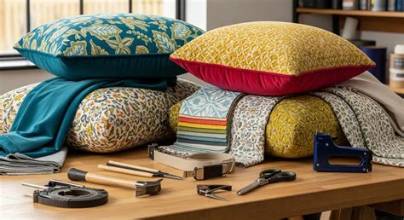
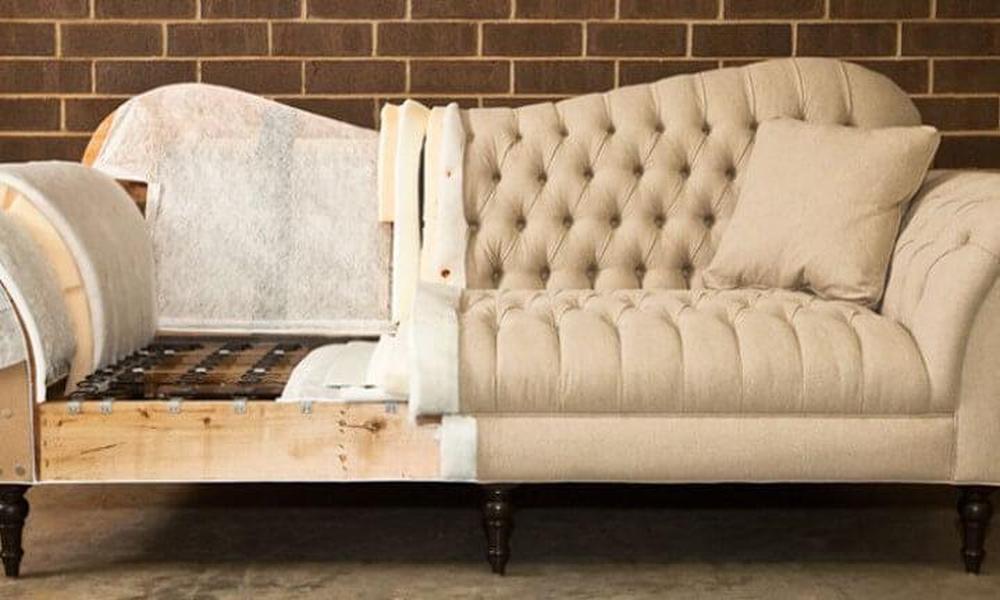
<p style="text-align: left;">Cotton is widely appreciated for its comfortable feel and versatility. It can be found in numerous colors and patterns and works with many decorating styles.</p>
<p style="text-align: left;">Linen is known for its natural appearance and breathable texture. It can create a relaxed and sophisticated look, making it popular in contemporary and casual interiors.</p>
<p style="text-align: left;">Velvet offers a distinctive soft surface and a luxurious visual effect. It can be particularly effective on statement sofas, accent chairs, ottomans, and upholstered beds.</p>
<p style="text-align: left;">Polyester is commonly selected for its practical qualities and wide range of available finishes. It can be suitable for furniture that experiences regular use.</p>
<p style="text-align: left;">Microfiber has a smooth, soft texture and is often considered when easy everyday care is important.</p>
<p style="text-align: left;">Blended fabrics combine multiple fibers to achieve a balance of characteristics, such as softness, durability, or improved performance.</p>
<figure class="post__image post__image--full"><img loading="lazy"  src="https://shelygras.pages.dev/media/posts/13/Upholstery-Fabric-Guide-Choosing-The-Right-Fabric.jpeg" alt="" width="1000" height="600" sizes="(max-width: 48em) 100vw, 768px" srcset="https://shelygras.pages.dev/media/posts/13/responsive/Upholstery-Fabric-Guide-Choosing-The-Right-Fabric-xs.jpeg 300w ,https://shelygras.pages.dev/media/posts/13/responsive/Upholstery-Fabric-Guide-Choosing-The-Right-Fabric-sm.jpeg 480w ,https://shelygras.pages.dev/media/posts/13/responsive/Upholstery-Fabric-Guide-Choosing-The-Right-Fabric-md.jpeg 768w"></figure>
<h2 style="text-align: left;">Think About How the Furniture Will Be Used</h2>
<p style="text-align: left;">One of the most important <strong>Furniture Buying Tips</strong> is to consider your daily routine before choosing upholstery.</p>
<p style="text-align: left;">If a sofa is used by the entire family every day, it needs to handle considerably more activity than a chair used only occasionally.</p>
<p style="text-align: left;">Families with young children may want practical upholstery that is easier to clean. Homes with pets should also consider factors such as fabric texture, durability, and how easily pet hair may be removed.</p>
<p style="text-align: left;">For a formal sitting room, appearance and texture may take priority because the furniture is not exposed to constant activity.</p>
<p style="text-align: left;">The right fabric is therefore determined by your lifestyle rather than simply by current design trends.</p>
<h2 style="text-align: left;">Evaluate Durability Before Buying</h2>
<p style="text-align: left;">A fabric's appearance can be attractive, but durability is equally important.</p>
<p style="text-align: left;">High-use furniture should generally have upholstery designed to handle repeated contact and everyday wear. Consider the fabric's construction and any available information about its performance.</p>
<p style="text-align: left;">A tightly woven upholstery may be appropriate for furniture that receives frequent use. Delicate decorative fabrics may be better suited to pieces that are used less often.</p>
<p style="text-align: left;">However, durable does not have to mean unattractive. Many modern upholstery materials are designed to combine performance with sophisticated colors, patterns, and textures.</p>
<h2 style="text-align: left;">Consider the Texture</h2>
<p style="text-align: left;">Texture influences both the appearance and feel of furniture.</p>
<p style="text-align: left;">Smooth upholstery can give a sofa or chair a clean, contemporary appearance. It may also work well in minimalist interiors where simple surfaces are part of the overall design.</p>
<p style="text-align: left;">Textured fabrics can add dimension to a room. Subtle woven details can make neutral furniture more interesting without introducing a strong pattern.</p>
<p style="text-align: left;">Velvet creates a rich and dramatic effect, while linen-inspired materials can contribute to a relaxed and natural atmosphere.</p>
<p style="text-align: left;">When choosing texture, consider the other materials in the room. Combining leather, wood, metal, glass, rugs, and different textile surfaces can create a more layered interior.</p>
<h2 style="text-align: left;">Choose a Suitable Fabric Color</h2>
<p style="text-align: left;">Color is one of the easiest ways to change the personality of upholstered furniture.</p>
<p style="text-align: left;">Neutral colors such as cream, beige, gray, taupe, and brown can provide flexibility. They can work with changing décor and allow accessories such as cushions and rugs to introduce stronger colors.</p>
<p style="text-align: left;">Darker shades can create a dramatic appearance and may be practical in certain high-use environments. Rich colors can also turn an otherwise simple sofa or chair into a focal point.</p>
<p style="text-align: left;">Lighter upholstery can make furniture feel fresh and airy but may require more attention in busy households.</p>
<p style="text-align: left;">Before selecting a color, compare it with the existing walls, flooring, curtains, rugs, and other furniture. The goal should be a cohesive interior rather than a collection of unrelated colors.</p>
<h2 style="text-align: left;">Fabric Guides for Different Rooms</h2>
<p style="text-align: left;">Different rooms may require different upholstery characteristics.</p>
<p style="text-align: left;">In a living room, furniture is often used frequently, so durability and comfort are important. Sofas and lounge chairs should feel inviting while also handling regular activity.</p>
<p style="text-align: left;">Dining chairs may be exposed to food and drink, making easy maintenance especially valuable.</p>
<p style="text-align: left;">In a bedroom, upholstered headboards and benches can prioritize softness and visual appeal because they generally experience different types of use.</p>
<p style="text-align: left;">Accent chairs can provide greater freedom for decorative fabrics because they are often selected to add personality to a specific area.</p>
<p style="text-align: left;">Understanding the room's function makes it easier to narrow down your upholstery options.</p>
<h2 style="text-align: left;">Think About Maintenance</h2>
<p style="text-align: left;">Maintenance requirements should be considered before making a purchase.</p>
<p style="text-align: left;">Some fabrics can be vacuumed regularly and spot-cleaned when necessary, while others may require specialized treatment. Always check the manufacturer's care recommendations.</p>
<p style="text-align: left;">Think about how much time you realistically want to spend maintaining your furniture. If you prefer low-maintenance pieces, choose upholstery that fits that preference.</p>
<p style="text-align: left;">Regular care can also extend the life of furniture. Dusting, vacuuming, promptly addressing spills, and following appropriate cleaning instructions can help upholstery maintain its appearance.</p>
<h2 style="text-align: left;">Pay Attention to Sunlight</h2>
<p style="text-align: left;">The location of furniture can affect fabric performance. Furniture positioned close to large windows may receive significant amounts of direct sunlight.</p>
<p style="text-align: left;">Over time, prolonged exposure may affect certain colors and materials. If your furniture will be placed in a bright room, consider the fabric's suitability for that environment and use appropriate window treatments when possible.</p>
<p style="text-align: left;">This is particularly important when choosing richly colored or delicate upholstery.</p>
<h2 style="text-align: left;">Test the Fabric Before Purchasing</h2>
<p style="text-align: left;">If possible, examine a fabric sample before ordering furniture. A sample allows you to evaluate the material under the lighting conditions of your home.</p>
<p style="text-align: left;">Look at the color during different times of day and compare the sample with nearby furniture and décor.</p>
<p style="text-align: left;">You should also touch the fabric. Comfort can be difficult to judge from photographs alone, particularly when choosing a sofa, lounge chair, or upholstered bed.</p>
<p style="text-align: left;">A sample can help you make a decision based on both appearance and practical expectations.</p>
<h2 style="text-align: left;">Avoid Choosing Fabric Based Only on Trends</h2>
<p style="text-align: left;">Furniture is often a long-term investment, so choosing upholstery solely because it is fashionable may not always be the best strategy.</p>
<p style="text-align: left;">Trends can change quickly. A color or pattern that is popular today may feel less suitable several years later.</p>
<p style="text-align: left;">If you prefer a timeless approach, consider classic colors and textures for larger furniture pieces. Decorative cushions, throws, artwork, and accessories can introduce current trends without requiring you to replace the main furniture.</p>
<h2 style="text-align: left;">Balance Style, Comfort, and Practicality</h2>
<p style="text-align: left;">The ideal upholstery should balance several factors rather than focusing on only one.</p>
<p style="text-align: left;">A fabric can be visually attractive but unsuitable for heavy use. Another may be extremely durable but fail to create the atmosphere you want.</p>
<p style="text-align: left;">Think about comfort, appearance, durability, maintenance, and room design together.</p>
<p style="text-align: left;">This balanced approach is one of the most useful principles found in <strong>Fabric Guides</strong> and broader <strong>Furniture Buying Tips</strong>. It allows you to select furniture based on how it will actually function in your home.</p>
<h2 style="text-align: left;">Final Thoughts</h2>
<p style="text-align: left;">Choosing furniture upholstery requires more consideration than simply selecting a favorite color. The fabric affects comfort, style, durability, maintenance, and the overall character of the room.</p>
<p style="text-align: left;">By using reliable <strong>Fabric Guides</strong>, shoppers can become more familiar with different materials and understand which options are better suited to their needs. Consider the furniture's purpose, frequency of use, room conditions, fabric texture, color, maintenance requirements, and expected durability before making a final decision.</p>
<p style="text-align: left;">With thoughtful planning, the right upholstery can help your furniture look beautiful while remaining comfortable and practical for everyday life. Whether you are furnishing a busy family room, an elegant dining area, or a relaxing bedroom, making fabric selection part of your furniture research can lead to a smarter and more satisfying purchase.</p>
            ]]>
        </content>
    </entry>
    <entry>
        <title>Versatile Furniture for Modern Dining &amp; Living Spaces</title>
        <author>
            <name>Oliver Reed</name>
        </author>
        <link href="https://shelygras.pages.dev/versatile-furniture-for-modern-dining-and-living-spaces.html"/>
        <id>https://shelygras.pages.dev/versatile-furniture-for-modern-dining-and-living-spaces.html</id>
        <media:content url="https://shelygras.pages.dev/media/posts/12/91475e68-8300-46cb-8161-753b9cb82553.__CR0019401200_PT0_SX970_V1___.jpg" medium="image" />
            <category term="Extendable Tables"/>
            <category term="Dining &amp; Living Tables"/>

        <updated>2026-10-13T16:43:13+03:00</updated>
            <summary type="html">
                <![CDATA[
                        <img src="https://shelygras.pages.dev/media/posts/12/91475e68-8300-46cb-8161-753b9cb82553.__CR0019401200_PT0_SX970_V1___.jpg" alt="" />
                    The dining table is one of the most important pieces of furniture in a home. It provides a place for&hellip;
                ]]>
            </summary>
        <content type="html">
            <![CDATA[
                    <p><img src="https://shelygras.pages.dev/media/posts/12/91475e68-8300-46cb-8161-753b9cb82553.__CR0019401200_PT0_SX970_V1___.jpg" class="type:primaryImage" alt="" /></p>
                <p style="text-align: left;">The dining table is one of the most important pieces of furniture in a home. It provides a place for everyday meals, family conversations, celebrations, and gatherings with friends. However, choosing the right table size can be challenging when the number of people using it changes from one occasion to another. <strong>Extendable Tables</strong> offer a practical answer to this challenge by allowing homeowners to adjust the available dining space whenever necessary.</p>
<p style="text-align: left;">As an important option within the <strong><a href="https://shelygras.pages.dev/elevate-your-home-with-stylish-dining-and-living-tables.html">Dining &amp; Living Tables</a></strong> category, Extendable Tables combine functionality with attractive design. They can remain compact during everyday use and expand when additional seating is needed. This makes them particularly suitable for homes where space, flexibility, and style are equally important.</p>
<h2 style="text-align: left;">What Are Extendable Tables?</h2>
<p style="text-align: left;">Extendable Tables are designed with adjustable tabletops that can become larger through an integrated or removable extension system. Depending on the design, the additional surface may be created using separate leaves, sliding sections, folding panels, or hidden extensions.</p>
<p style="text-align: left;">When the table is closed, it can comfortably serve a smaller household without taking up unnecessary floor space. When guests arrive, the table can be expanded to provide additional seating and serving space.</p>
<p style="text-align: left;">This adaptable construction gives homeowners greater control over how they use their dining area. Instead of keeping a large table in the room at all times, they can adjust its size according to their current needs.</p>
<h2 style="text-align: left;">Why Choose Extendable Tables?</h2>
<p style="text-align: left;">The main advantage of Extendable Tables is flexibility. Everyday dining may only require a limited amount of space, while special occasions can require considerably more. An extendable table allows the same piece of furniture to accommodate both situations.</p>
<p style="text-align: left;">Space efficiency is another important benefit. A large fixed table can dominate a small dining room, leaving less space for movement. An extendable design can remain smaller most of the time, helping maintain a more comfortable layout.</p>
<p style="text-align: left;">These tables can also be a smart choice for homeowners who enjoy entertaining. Instead of purchasing a second table or relying on temporary furniture, the existing table can simply be expanded when needed.</p>
<h2 style="text-align: left;">Extendable Tables Within Dining &amp; Living Tables</h2>
<p style="text-align: left;">The <strong>Dining &amp; Living Tables</strong> category includes furniture designed for dining, entertaining, socializing, and everyday household activities. Extendable tables are especially useful because they can adapt to different functions and group sizes.</p>
<p style="text-align: left;">Although primarily associated with dining rooms, an extendable table can also serve as a workspace, study area, game table, or surface for creative activities. Its adjustable size makes it possible to use the furniture differently depending on the occasion.</p>
<p style="text-align: left;">This versatility makes Extendable Tables a valuable option for modern homes where one room may need to serve several purposes.</p>
<h2 style="text-align: left;">Choosing the Right Table Shape</h2>
<p style="text-align: left;">The shape of an extendable table affects both its functionality and visual impact.</p>
<p style="text-align: left;">Rectangular Extendable Tables are a popular choice for traditional dining rooms. Their elongated surface can accommodate several chairs and provides plenty of room for serving dishes. They are particularly suitable for larger families and longer rooms.</p>
<p style="text-align: left;">Oval tables offer softer lines and can create a more elegant atmosphere. Their curved edges can also make the furniture easier to move around.</p>
<p style="text-align: left;">Round extendable tables can be particularly useful in compact dining spaces. Some designs transform from a smaller round configuration into an oval shape when extended, providing extra seating without requiring a large permanent footprint.</p>
<p style="text-align: left;">The ideal shape should reflect the dimensions of the room, the number of regular users, and the desired interior style.</p>
<figure class="post__image post__image--wide"><img loading="lazy"  src="https://shelygras.pages.dev/media/posts/12/OIP-10.jfif" alt="" width="386" height="220"></figure>
<h2 style="text-align: left;">Different Extension Mechanisms</h2>
<p style="text-align: left;">The extension mechanism is an important feature to examine before purchasing Extendable Tables. Different designs offer different approaches to increasing the tabletop.</p>
<p style="text-align: left;">Some tables use removable leaves that are inserted into the center after the tabletop sections are separated. This traditional system can provide substantial additional space.</p>
<p style="text-align: left;">Butterfly-leaf mechanisms allow the extension to fold and remain stored inside the table. This can be convenient because there is no need to find a separate storage location.</p>
<p style="text-align: left;">Sliding systems use movable tabletop sections that pull apart to create space for an extension. Modern versions may feature synchronized movement that makes opening the table smoother.</p>
<p style="text-align: left;">Integrated mechanisms can also hide extension components within the furniture, creating a clean appearance when the table is closed.</p>
<h2 style="text-align: left;">Extendable Tables for Small Spaces</h2>
<p style="text-align: left;">Limited dining space is one of the strongest reasons to consider an extendable table. In a small apartment or compact dining room, a large table can make the room feel crowded even when only a few people are using it.</p>
<p style="text-align: left;">An extendable design provides a better balance. The table can remain compact during normal days, leaving additional floor space for movement and other activities.</p>
<p style="text-align: left;">When guests arrive, the table can be expanded temporarily. Once the occasion is over, it can return to its smaller configuration.</p>
<p style="text-align: left;">This makes Extendable Tables an effective solution for homeowners who want to maximize every square foot without sacrificing entertaining capacity.</p>
<h2 style="text-align: left;">Materials and Finishes</h2>
<p style="text-align: left;">Extendable Tables are available in a variety of materials, making it easy to find a design that complements different interiors.</p>
<p style="text-align: left;">Wood is one of the most popular options because it brings warmth and natural character to a dining room. Different wood tones can support traditional, transitional, rustic, and contemporary designs.</p>
<p style="text-align: left;">Metal can be incorporated into the base or frame to create a modern or industrial appearance. Glass may also be combined with other materials to produce a lighter, more contemporary aesthetic.</p>
<p style="text-align: left;">The finish should coordinate with other elements of the room, including dining chairs, flooring, lighting fixtures, cabinets, and decorative accessories.</p>
<h2 style="text-align: left;">Matching Chairs With an Extendable Table</h2>
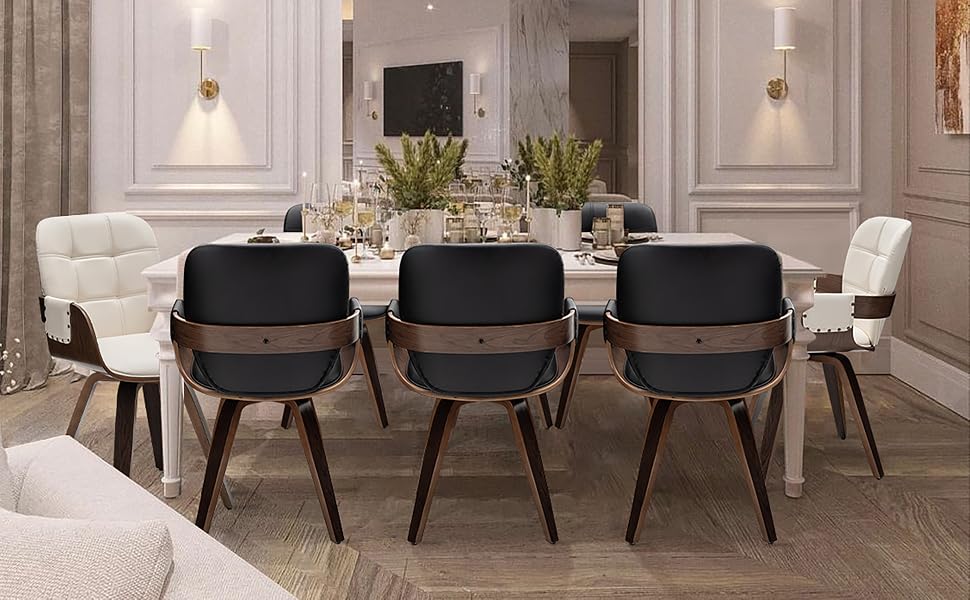
<p style="text-align: left;">Dining chairs should be selected with both the closed and extended configurations in mind. There should be sufficient space for each chair and enough legroom beneath the tabletop.</p>
<p style="text-align: left;">Upholstered chairs can create a comfortable and sophisticated dining environment. Wooden chairs can complement a classic or transitional table, while sleek contemporary chairs can reinforce a modern interior.</p>
<p style="text-align: left;">It is not necessary for the chairs to exactly match the table. Combining complementary materials and finishes can create a more personalized and visually interesting dining area.</p>
<h2 style="text-align: left;">How to Measure Your Space</h2>
<p style="text-align: left;">Before purchasing Extendable Tables, measure the dining area carefully. Consider both the table's minimum and maximum dimensions.</p>
<p style="text-align: left;">The closed table should fit comfortably without restricting movement. The extended table should also have enough surrounding space for chairs to be pulled out and for people to walk around the dining area.</p>
<p style="text-align: left;">Do not forget to consider nearby furniture such as sideboards, cabinets, kitchen islands, or shelving units. Doors and walkways should also remain accessible when the table is fully extended.</p>
<p style="text-align: left;">Planning around the largest configuration will ensure that the table remains practical during gatherings.</p>
<h2 style="text-align: left;">Styling Extendable Tables</h2>
<p style="text-align: left;">The right accessories can enhance the appearance of an extendable table. A simple centerpiece can add personality without occupying too much usable surface area.</p>
<p style="text-align: left;">Pendant lighting above the table can help define the dining zone and emphasize the table's shape. An area rug can also create a visual boundary, especially in an open-plan room.</p>
<p style="text-align: left;">When the table is extended for a large gathering, decorative accessories should be kept minimal. This leaves sufficient space for plates, serving dishes, glasses, and other dining essentials.</p>
<h2 style="text-align: left;">Maintaining Extendable Tables</h2>
<p style="text-align: left;">Proper care can help maintain both the appearance and functionality of Extendable Tables. The appropriate cleaning method depends on the material and finish.</p>
<p style="text-align: left;">Wooden surfaces should generally be cleaned gently and protected from excessive moisture. Glass surfaces can be cleaned with suitable glass products and soft cloths. Metal components should be maintained according to their specific finish.</p>
<p style="text-align: left;">The extension mechanism also requires careful handling. Avoid forcing the table open or closed. If the movement becomes difficult, follow the manufacturer's maintenance instructions rather than applying excessive pressure.</p>
<p style="text-align: left;">If the table uses removable leaves, store them carefully in a dry and protected location.</p>
<h2 style="text-align: left;">Extendable Tables for Entertaining</h2>
<p style="text-align: left;">For homeowners who regularly host guests, Extendable Tables can make entertaining significantly easier. A compact table can accommodate everyday meals, while the extended configuration can provide enough room for larger gatherings.</p>
<p style="text-align: left;">This makes the furniture suitable for dinner parties, family celebrations, holiday meals, birthdays, and spontaneous gatherings.</p>
<p style="text-align: left;">The ability to adjust the table means homeowners can prepare for different occasions without permanently sacrificing valuable floor space.</p>
<h2 style="text-align: left;">A Practical Long-Term Choice</h2>
<p style="text-align: left;">Furniture should ideally remain useful as household needs change. Extendable Tables can adapt to different stages of life because their capacity is not fixed.</p>
<p style="text-align: left;">A smaller configuration may be suitable for a young couple or small family, while the expanded configuration can accommodate additional relatives and guests as circumstances change.</p>
<p style="text-align: left;">Their versatility can also make them useful when moving between homes with different room sizes.</p>
<h2 style="text-align: left;">Final Thoughts</h2>
<p style="text-align: left;">Extendable Tables are an excellent choice within the <strong>Dining &amp; Living Tables</strong> category for homeowners who want furniture that combines style, flexibility, and efficient use of space. Their ability to change size allows them to support everyday dining while providing additional capacity for larger gatherings.</p>
<p style="text-align: left;">When choosing an extendable table, consider the extension mechanism, shape, material, dimensions, seating capacity, and overall design. Most importantly, measure the room in both the closed and fully extended positions.</p>
<p style="text-align: left;">Whether you need a space-saving solution for a compact apartment or a flexible dining table for frequent entertaining, <strong>Extendable Tables</strong> can provide the adaptability modern homes require while maintaining an attractive and welcoming appearance.</p>
            ]]>
        </content>
    </entry>
    <entry>
        <title>Elevate Your Home with Stylish Dining &amp; Living Tables</title>
        <author>
            <name>Oliver Reed</name>
        </author>
        <link href="https://shelygras.pages.dev/elevate-your-home-with-stylish-dining-and-living-tables.html"/>
        <id>https://shelygras.pages.dev/elevate-your-home-with-stylish-dining-and-living-tables.html</id>
        <media:content url="https://shelygras.pages.dev/media/posts/11/natural-wooden-log-dining-table-chair-near-it-interior-design-modern-living-dining-room_1040322-3007.avif" medium="image" />
            <category term="Glass-Top Sets"/>
            <category term="Dining &amp; Living Tables"/>

        <updated>2026-10-13T16:35:21+03:00</updated>
            <summary type="html">
                <![CDATA[
                        <img src="https://shelygras.pages.dev/media/posts/11/natural-wooden-log-dining-table-chair-near-it-interior-design-modern-living-dining-room_1040322-3007.avif" alt="" />
                    The right table can completely change the way a room looks and feels. It provides an essential surface for everyday&hellip;
                ]]>
            </summary>
        <content type="html">
            <![CDATA[
                    <p><img src="https://shelygras.pages.dev/media/posts/11/natural-wooden-log-dining-table-chair-near-it-interior-design-modern-living-dining-room_1040322-3007.avif" class="type:primaryImage" alt="" /></p>
                <p style="text-align: left;">The right table can completely change the way a room looks and feels. It provides an essential surface for everyday activities while also contributing to the overall style of the interior. Within the <strong><a href="https://shelygras.pages.dev/natural-beauty-and-functionality-for-dining-and-living-spaces.html">Dining &amp; Living Tables</a></strong> category, Glass-Top Sets have become a popular option for homeowners who appreciate a combination of elegance, openness, and contemporary design.</p>
<p style="text-align: left;">Glass tables have a unique ability to blend into their surroundings. Rather than creating a solid visual barrier, a transparent tabletop allows the floor, rug, furniture, and decorative elements around it to remain visible. This can make interiors feel more spacious while giving the furniture a refined appearance.</p>
<p style="text-align: left;">Whether you are furnishing a dining room, upgrading your living area, or creating an elegant space for entertaining guests, Glass-Top Sets can provide a versatile foundation for many interior styles.</p>
<h2 style="text-align: left;">Understanding Glass-Top Sets</h2>
<p style="text-align: left;">Glass-Top Sets are furniture collections built around tables featuring glass surfaces. Depending on their intended use, they may include dining tables with matching chairs or coordinated living room tables such as coffee tables and side tables.</p>
<p style="text-align: left;">The glass can come in several forms. Clear glass creates a bright and open appearance, while tinted glass can add depth and a more dramatic character. Some tables also feature textured, beveled, or decorative glass for an additional design element.</p>
<p style="text-align: left;">The supporting base can be made from wood, metal, acrylic, or other materials. This variety allows homeowners to select a design that works with their existing furniture and décor.</p>
<figure class="post__image post__image--wide"><img loading="lazy"  src="https://shelygras.pages.dev/media/posts/11/332797be0c94fabf5a4578bb201010ca.png" alt="" width="1024" height="1024" sizes="(max-width: 48em) 100vw, 768px" srcset="https://shelygras.pages.dev/media/posts/11/responsive/332797be0c94fabf5a4578bb201010ca-xs.png 300w ,https://shelygras.pages.dev/media/posts/11/responsive/332797be0c94fabf5a4578bb201010ca-sm.png 480w ,https://shelygras.pages.dev/media/posts/11/responsive/332797be0c94fabf5a4578bb201010ca-md.png 768w"></figure>
<h2 style="text-align: left;">Why Choose Glass-Top Sets?</h2>
<p style="text-align: left;">One of the biggest benefits of Glass-Top Sets is their visual versatility. Glass has a relatively neutral appearance, which allows it to work with many colors, textures, and materials.</p>
<p style="text-align: left;">A transparent tabletop can make a compact room appear less crowded. Instead of visually blocking the floor, it allows the eye to move through the furniture. This can be particularly useful in apartments, open-plan interiors, and smaller dining areas.</p>
<p style="text-align: left;">Glass can also reflect natural and artificial light. When positioned near a window or beneath a stylish pendant fixture, the surface can help create a brighter and more polished atmosphere.</p>
<h2 style="text-align: left;">Glass Dining Tables for Stylish Meals</h2>
<p style="text-align: left;">Dining tables are an essential part of <strong>Dining &amp; Living Tables</strong>, and glass designs can create an elegant centerpiece for the dining room.</p>
<p style="text-align: left;">A rectangular glass dining table is a practical choice for families and larger dining areas. Its shape provides plenty of space for seating and can work well in long rooms.</p>
<p style="text-align: left;">Round tables offer a different experience. Their shape creates a more intimate arrangement and allows everyone at the table to communicate easily. They can also work particularly well in smaller rooms because they do not have sharp corners extending into walking areas.</p>
<p style="text-align: left;">Oval glass tables provide another elegant option. Their curved edges can soften the appearance of a room while still offering generous seating capacity.</p>
<p style="text-align: left;">The chairs selected with a glass dining table can further define its style. Upholstered chairs can introduce comfort and luxury, while sleek modern chairs can emphasize a minimalist appearance.</p>
<h2 style="text-align: left;">Glass Coffee Tables for Living Spaces</h2>
<p style="text-align: left;">Glass-Top Sets can also be used to create sophisticated living room arrangements. A glass coffee table can serve as a functional centerpiece without visually overpowering the sofa and other furniture.</p>
<p style="text-align: left;">Transparent surfaces are particularly effective when placed over decorative rugs. Because the rug remains visible through the tabletop, the entire seating arrangement can feel more connected.</p>
<p style="text-align: left;">A rectangular coffee table often works well with straight sofas, while round designs can complement curved seating and sectional furniture. Some collections also feature nesting tables that can be separated when additional surface space is needed.</p>
<h2 style="text-align: left;">Selecting the Right Table Base</h2>
<p style="text-align: left;">Although the glass surface is an important feature, the base has a major influence on the overall style of the table.</p>
<p style="text-align: left;">Wooden bases add warmth and can create a balanced combination of contemporary and natural materials. They are a strong option for transitional interiors where homeowners want modern furniture without making the room feel too cold.</p>
<p style="text-align: left;">Metal bases can provide a sleek and sophisticated appearance. Depending on the finish and shape, metal can support contemporary, industrial, or glamorous designs.</p>
<p style="text-align: left;">Sculptural bases can make Glass-Top Sets more artistic. Geometric structures, curved supports, and decorative details can transform the table into a focal point.</p>
<h2 style="text-align: left;">Glass-Top Sets for Different Interior Styles</h2>
<p style="text-align: left;">The flexibility of glass allows it to complement many interior design styles.</p>
<p style="text-align: left;">In contemporary interiors, a clear glass surface with a simple frame can reinforce clean lines and uncluttered layouts.</p>
<p style="text-align: left;">In minimalist homes, the transparency of the tabletop can help maintain a light and open atmosphere. The table performs its practical function without becoming visually dominant.</p>
<p style="text-align: left;">For luxurious interiors, glass can be paired with metallic finishes, velvet seating, decorative lighting, and sophisticated accessories.</p>
<p style="text-align: left;">Traditional and transitional interiors can also incorporate glass successfully. Choosing a table with a detailed wooden base can provide the warmth and craftsmanship associated with classic furniture while retaining the clean appearance of glass.</p>
<h2 style="text-align: left;">How to Choose the Correct Size</h2>
<p style="text-align: left;">Selecting the correct size is essential when purchasing Glass-Top Sets. A beautiful table will not work effectively if it is too large for the room.</p>
<p style="text-align: left;">Measure the available area before making a decision. In dining rooms, allow enough space around the table for chairs to move comfortably. Guests should be able to sit, stand, and walk around the table without feeling restricted.</p>
<p style="text-align: left;">For living rooms, consider the distance between the coffee table and the sofa. There should be enough room to move comfortably while keeping the table close enough to be useful.</p>
<p style="text-align: left;">The number of people who regularly use the furniture should also influence the size you choose.</p>
<h2 style="text-align: left;">Creating a Coordinated Interior</h2>
<p style="text-align: left;">Glass furniture works particularly well when combined with carefully selected surrounding pieces. A dining table can be paired with chairs that complement its base finish, while a coffee table can be coordinated with the sofa and accent chairs.</p>
<p style="text-align: left;">Rugs can help define the area beneath a glass table. Since the rug remains visible, its pattern and texture can become an important part of the overall composition.</p>
<p style="text-align: left;">Lighting is another consideration. Pendant lights above dining tables can draw attention to the glass surface, while floor and table lamps can create an inviting atmosphere around a living room table.</p>
<p style="text-align: left;">Decorative accessories should be selected carefully. A simple centerpiece or a small collection of objects can add personality without hiding the beauty of the glass.</p>
<h2 style="text-align: left;">Caring for Glass-Top Sets</h2>
<p style="text-align: left;">Keeping Glass-Top Sets clean is essential for preserving their polished appearance. Glass can reveal fingerprints, dust, and water spots more easily than some other materials.</p>
<p style="text-align: left;">Regular cleaning with a soft cloth can help maintain clarity. A suitable glass cleaner can be used when necessary, while abrasive materials should be avoided because they may cause scratches.</p>
<p style="text-align: left;">Spills should be wiped promptly, especially on dining tables. Food residue and liquids can become more difficult to remove if left for long periods.</p>
<p style="text-align: left;">The base should also be maintained according to its material. Wooden bases may require specialized care, while metal frames can generally be cleaned with appropriate non-abrasive products.</p>
<h2 style="text-align: left;">Practical Considerations Before Buying</h2>
<p style="text-align: left;">Before selecting Glass-Top Sets, think about how the furniture will be used every day. A dining table that receives frequent use should be sturdy and properly supported.</p>
<p style="text-align: left;">Consider the needs of your household, including the amount of seating required and the available floor space. Homes with children or pets may also benefit from careful placement and selecting a design that provides reliable stability.</p>
<p style="text-align: left;">Quality construction should always be a priority. A strong base and properly supported glass surface contribute to the overall usability and longevity of the furniture.</p>
<h2 style="text-align: left;">A Long-Term Design Choice</h2>
<p style="text-align: left;">Interior trends continue to evolve, but glass furniture remains adaptable. Glass-Top Sets can work with different chairs, rugs, sofas, colors, and decorative accessories, allowing homeowners to update their interiors without replacing every major piece.</p>
<p style="text-align: left;">Their neutral appearance makes them particularly useful for people who enjoy changing their décor over time.</p>
<h2 style="text-align: left;">Final Thoughts</h2>
<p style="text-align: left;">Glass-Top Sets offer an elegant solution for homeowners searching for stylish furniture within the <strong>Dining &amp; Living Tables</strong> category. Their transparent surfaces can create a feeling of openness, while their combination with wood, metal, acrylic, and decorative materials provides extensive design possibilities.</p>
<p style="text-align: left;">From dining tables designed for family gatherings to coffee tables that complete a modern seating arrangement, glass furniture can combine practical function with sophisticated style. By considering the room's dimensions, preferred shape, base material, and existing décor, homeowners can choose Glass-Top Sets that enhance their interiors and provide lasting visual appeal.</p>
            ]]>
        </content>
    </entry>
    <entry>
        <title>Natural Beauty and Functionality for Dining &amp; Living Spaces</title>
        <author>
            <name>Oliver Reed</name>
        </author>
        <link href="https://shelygras.pages.dev/natural-beauty-and-functionality-for-dining-and-living-spaces.html"/>
        <id>https://shelygras.pages.dev/natural-beauty-and-functionality-for-dining-and-living-spaces.html</id>
        <media:content url="https://shelygras.pages.dev/media/posts/10/natural-wooden-log-dining-table-chair-near-it-interior-design-modern-living-dining-room_1040322-3007.avif" medium="image" />
            <category term="Wooden Tables"/>
            <category term="Dining &amp; Living Tables"/>

        <updated>2026-10-13T16:31:32+03:00</updated>
            <summary type="html">
                <![CDATA[
                        <img src="https://shelygras.pages.dev/media/posts/10/natural-wooden-log-dining-table-chair-near-it-interior-design-modern-living-dining-room_1040322-3007.avif" alt="" />
                    Wooden Tables are a timeless furniture solution for homeowners who want to combine natural beauty with practical functionality. As one&hellip;
                ]]>
            </summary>
        <content type="html">
            <![CDATA[
                    <p><img src="https://shelygras.pages.dev/media/posts/10/natural-wooden-log-dining-table-chair-near-it-interior-design-modern-living-dining-room_1040322-3007.avif" class="type:primaryImage" alt="" /></p>
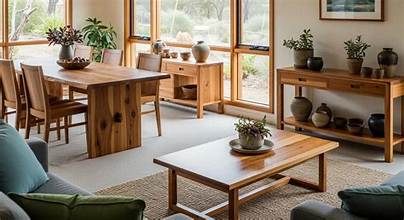
                <p style="text-align: left;">Wooden Tables are a timeless furniture solution for homeowners who want to combine natural beauty with practical functionality. As one of the main categories of <strong><a href="https://shelygras.pages.dev/elevate-your-home-with-stylish-dining-and-living-tables.html">Dining &amp; Living Tables</a></strong>, wooden designs can be used in dining rooms, living rooms, open-plan spaces, and other areas of the home. Their wide variety of styles, finishes, sizes, and shapes makes them suitable for almost any interior design concept.</p>
<p style="text-align: left;">From a classic dining table surrounded by comfortable chairs to a contemporary coffee table positioned in the center of a living room, wood can create a warm and welcoming atmosphere. The natural character of the material also gives furniture a distinctive appearance that can complement both modern and traditional interiors.</p>
<h2 style="text-align: left;">The Enduring Appeal of Wooden Tables</h2>
<p style="text-align: left;">Wood has been an important furniture material for generations, and its popularity continues because of its natural character and versatility. The grain patterns and subtle variations found in wood can make each table visually unique.</p>
<p style="text-align: left;">Unlike furniture that is strongly connected to a particular trend, Wooden Tables can adapt as interior styles change. A classic wooden table may look appropriate in a traditional room, while a simple design with clean lines can work beautifully in a contemporary space.</p>
<p style="text-align: left;">The finish also influences the character of the furniture. Natural finishes emphasize the grain, darker finishes create a richer appearance, and distressed finishes can introduce a relaxed vintage feel.</p>
<h2 style="text-align: left;">Wooden Tables in the Dining &amp; Living Tables Category</h2>
<p style="text-align: left;">The <strong>Dining &amp; Living Tables</strong> category includes furniture designed for some of the most active areas of the home. Dining tables provide surfaces for meals and gatherings, while living room tables support everyday activities and decorative arrangements.</p>
<p style="text-align: left;">Wooden Tables are particularly effective in this category because they can fulfill different purposes while maintaining a consistent natural aesthetic.</p>
<p style="text-align: left;">A homeowner can choose a large wooden dining table for family gatherings, a coffee table for the living room, and smaller wooden side tables to complete the seating arrangement. Using related wood finishes across these pieces can create a cohesive design throughout the home.</p>
<figure class="post__image post__image--wide"><img loading="lazy"  src="https://shelygras.pages.dev/media/posts/10/332797be0c94fabf5a4578bb201010ca.png" alt="" width="1024" height="1024" sizes="(max-width: 48em) 100vw, 768px" srcset="https://shelygras.pages.dev/media/posts/10/responsive/332797be0c94fabf5a4578bb201010ca-xs.png 300w ,https://shelygras.pages.dev/media/posts/10/responsive/332797be0c94fabf5a4578bb201010ca-sm.png 480w ,https://shelygras.pages.dev/media/posts/10/responsive/332797be0c94fabf5a4578bb201010ca-md.png 768w"></figure>
<h2 style="text-align: left;">Choosing Wooden Dining Tables</h2>
<p style="text-align: left;">The dining table often becomes the centerpiece of a dining room. It is where family members gather for meals and where guests may spend time during special occasions.</p>
<p style="text-align: left;">Wooden dining tables can create a warm and inviting environment. Their natural appearance works well with different types of dining chairs, from upholstered designs to modern metal-framed seating.</p>
<p style="text-align: left;">When choosing a table, consider the size of the room and the number of people who will use it regularly. Rectangular tables are useful for larger dining spaces, while round tables can create a more intimate arrangement.</p>
<p style="text-align: left;">Oval tables can provide a softer appearance while still offering generous seating space. Extendable Wooden Tables can also be useful for households that occasionally need additional seating.</p>
<h2 style="text-align: left;">Wooden Coffee Tables for Living Rooms</h2>
<p style="text-align: left;">A coffee table can play an important role in organizing a living room. It usually sits at the center of the seating area and can become both a practical surface and a decorative focal point.</p>
<p style="text-align: left;">Wooden coffee tables can complement sofas, armchairs, rugs, and other living room furniture. Their natural texture can add warmth to rooms dominated by neutral colors or modern materials.</p>
<p style="text-align: left;">The size of the coffee table should correspond to the seating arrangement. A large sectional may require a substantial table, while a smaller sofa and chair arrangement may work better with a compact design.</p>
<p style="text-align: left;">Round coffee tables can soften angular furniture, while rectangular tables can create a more structured appearance.</p>
<h2 style="text-align: left;">Side Tables and Console Tables</h2>
<p style="text-align: left;">Smaller Wooden Tables are useful for adding functionality to different parts of a home. Side tables can be placed next to sofas or chairs, creating convenient surfaces for lamps, books, drinks, and decorative objects.</p>
<p style="text-align: left;">Console tables can be used in entryways, behind sofas, or against walls. They can provide an attractive location for displaying accessories while making use of otherwise empty areas.</p>
<p style="text-align: left;">Because these tables generally require less floor space, they can be particularly useful in apartments and compact interiors.</p>
<h2 style="text-align: left;">Selecting the Right Wood Finish</h2>
<p style="text-align: left;">The finish is an important consideration when choosing Wooden Tables. Light finishes can create an airy and contemporary appearance. They work particularly well in bright rooms and minimalist interiors.</p>
<p style="text-align: left;">Medium wood tones provide flexibility and can complement both warm and neutral colors. They can also coordinate easily with different types of furniture.</p>
<p style="text-align: left;">Dark wood finishes can create a sophisticated and elegant atmosphere. They can work especially well in formal dining rooms or as contrasting elements within lighter living rooms.</p>
<p style="text-align: left;">For a more relaxed appearance, distressed and weathered finishes can add character and support rustic or vintage-inspired décor.</p>
<h2 style="text-align: left;">Finding the Ideal Table Shape</h2>
<p style="text-align: left;">The shape of Wooden Tables should be chosen according to the available space and intended use.</p>
<p style="text-align: left;">Rectangular tables remain one of the most practical choices for dining rooms because they can accommodate several chairs. They can also work well in longer rooms.</p>
<p style="text-align: left;">Round tables can make conversation easier and create a more intimate dining experience. Their curved edges can also improve circulation around the furniture.</p>
<p style="text-align: left;">Square tables can provide balance and symmetry, especially in compact dining areas. Oval tables offer a combination of generous surface space and softer edges.</p>
<p style="text-align: left;">In living rooms, the table shape should complement the surrounding furniture rather than compete with it.</p>
<h2 style="text-align: left;">Combining Wooden Tables With Other Materials</h2>
<p style="text-align: left;">Wood works well with a variety of materials, which makes Wooden Tables highly adaptable. A wooden top paired with metal legs can create a modern or industrial appearance. Glass can be incorporated to create a lighter visual effect.</p>
<p style="text-align: left;">Dining chairs can also influence the overall appearance of the table. Upholstered chairs can create a soft and comfortable environment, while leather seating can produce a sophisticated look.</p>
<p style="text-align: left;">Rugs, curtains, cushions, and other textiles can further enhance the natural character of wooden furniture.</p>
<p style="text-align: left;">The combination of different materials can make a room feel more layered and visually interesting.</p>
<h2 style="text-align: left;">Wooden Tables in Contemporary Homes</h2>
<p style="text-align: left;">Contemporary interior design often emphasizes simplicity, clean lines, and functionality. Wooden Tables can support these principles while adding warmth and natural texture.</p>
<p style="text-align: left;">A contemporary wooden table may feature a simple silhouette and minimal decorative elements. This allows the material itself to become an important part of the design.</p>
<p style="text-align: left;">In open-plan homes, a wooden dining table can help define the dining zone while maintaining a visual connection with the living area. Coordinating wood tones can make the entire open space feel more unified.</p>
<h2 style="text-align: left;">Selecting Wooden Tables for Your Lifestyle</h2>
<p style="text-align: left;">The right table should match the way a household uses its space. Families that eat together frequently may require a spacious and practical dining table.</p>
<p style="text-align: left;">People who entertain often may prefer an extendable design that can accommodate additional guests. Smaller households or apartment residents may benefit from compact tables that maximize available floor space.</p>
<p style="text-align: left;">Living room tables should also be selected according to everyday habits. If the coffee table will be used for games, work, meals, or reading, functionality should be a priority. If it is primarily decorative, a more artistic design may be appropriate.</p>
<h2 style="text-align: left;">Maintaining the Beauty of Wooden Tables</h2>
<p style="text-align: left;">Regular care can help preserve Wooden Tables and keep them looking attractive. Dust should be removed regularly, and spills should be cleaned promptly.</p>
<p style="text-align: left;">Coasters and placemats can help protect the surface from moisture and heat. It is important to choose cleaning products that are suitable for the specific finish.</p>
<p style="text-align: left;">Avoid exposing wooden surfaces to excessive moisture or extreme heat, and follow the manufacturer's care recommendations whenever possible.</p>
<p style="text-align: left;">Good maintenance can help protect the finish and extend the useful life of wooden furniture.</p>
<h2 style="text-align: left;">Why Wooden Tables Remain a Smart Choice</h2>
<p style="text-align: left;">Interior trends may change, but wood continues to work across generations of design. This makes Wooden Tables a practical long-term choice.</p>
<p style="text-align: left;">A wooden dining table can remain suitable even when the surrounding chairs, lighting, wall colors, or accessories are updated. A wooden coffee table can likewise adapt to different sofas and room arrangements.</p>
<p style="text-align: left;">This flexibility allows homeowners to enjoy furniture that remains useful and attractive instead of being tied to a short-lived trend.</p>
<h2 style="text-align: left;">Final Thoughts</h2>
<p style="text-align: left;">Wooden Tables are an essential part of the <strong>Dining &amp; Living Tables</strong> category because they combine natural beauty, practical functionality, and design flexibility. They can provide a welcoming focal point in a dining room, anchor a living room seating arrangement, or add useful surfaces throughout the home.</p>
<p style="text-align: left;">With so many styles, finishes, shapes, and sizes available, homeowners can select Wooden Tables that reflect their personal taste and suit the needs of their space. Whether the preferred aesthetic is contemporary, traditional, rustic, or luxurious, wooden furniture can provide a warm and timeless foundation for creating stylish dining and living environments.</p>
            ]]>
        </content>
    </entry>
    <entry>
        <title>An Essential Category of Contemporary Bedrooms</title>
        <author>
            <name>Oliver Reed</name>
        </author>
        <link href="https://shelygras.pages.dev/an-essential-category-of-contemporary-bedrooms.html"/>
        <id>https://shelygras.pages.dev/an-essential-category-of-contemporary-bedrooms.html</id>
        <media:content url="https://shelygras.pages.dev/media/posts/9/dream_modern_bedroom.webp" medium="image" />
            <category term="Nightstands"/>
            <category term="Contemporary Bedrooms"/>

        <updated>2026-10-13T16:26:07+03:00</updated>
            <summary type="html">
                <![CDATA[
                        <img src="https://shelygras.pages.dev/media/posts/9/dream_modern_bedroom.webp" alt="" />
                    A contemporary bedroom is a carefully balanced combination of comfort, functionality, and modern style. While the bed is typically the&hellip;
                ]]>
            </summary>
        <content type="html">
            <![CDATA[
                    <p><img src="https://shelygras.pages.dev/media/posts/9/dream_modern_bedroom.webp" class="type:primaryImage" alt="" /></p>
                <div class="flex max-w-full flex-col gap-4 [&amp;&gt;div:has([data-free-thinking-preview-answer=true])+:is(.text-message,.relative:has(&gt;.text-message))]:-mt-2 grow">
<div class="TzNmiG_container gap-4 [&amp;&gt;div:has([data-free-thinking-preview-answer=true])+:is(.text-message,.relative:has(&gt;.text-message))]:-mt-2" data-streaming-response-group="">
<div class="min-h-8 text-message relative flex w-full flex-col items-end gap-2 text-start break-words whitespace-normal outline-none keyboard-focused:focus-ring [.text-message+&amp;]:mt-1" dir="auto" tabindex="0" data-message-author-role="assistant" data-message-id="75abfeba-a560-4b04-bc06-c6b243aa8faa" data-markdown-talvt-message-id="75abfeba-a560-4b04-bc06-c6b243aa8faa" data-message-model-slug="gpt-5-6-mini" data-turn-start-message="true">
<div class="flex w-full flex-col gap-1 empty:hidden">
<div class="fbskMG_root LR5Y_W_content markdown prose dark:prose-invert wrap-break-word w-full light markdown-new-styling">
<p dir="auto" data-start="63" data-end="483">A contemporary bedroom is a carefully balanced combination of comfort, functionality, and modern style. While the bed is typically the main focal point, the surrounding furniture is equally important for creating a complete and practical space. Among the main categories of <a href="https://shelygras.pages.dev/an-essential-category-of-contemporary-bedrooms.html"> Contemporary Bedrooms</a><a href="https://shelygras.pages.dev/a-defining-feature-of-contemporary-bedrooms.html"></a> furniture, <strong data-start="369" data-end="384">Nightstands</strong> are essential pieces that combine convenient storage, useful surface space, and attractive design.</p>
<p dir="auto" data-start="485" data-end="847">Whether you are furnishing a spacious master bedroom, a compact guest room, or a modern apartment bedroom, the right nightstands can make the space more organized and visually cohesive. Contemporary designs are available in a wide range of materials, finishes, sizes, and configurations, making it possible to find options that complement virtually any interior.</p>
<h2 dir="auto" data-section-id="3gtz03" data-start="849" data-end="900">The Role of Nightstands in Contemporary Bedrooms</h2>
<p dir="auto" data-start="902" data-end="1126">Nightstands are positioned beside the bed to provide easy access to everyday necessities. A well-designed piece creates a convenient place for a bedside lamp, smartphone, alarm clock, books, glasses, or other personal items.</p>
<p dir="auto" data-start="1128" data-end="1386">Their storage capabilities can be just as valuable. Drawers and compartments provide space for smaller belongings that might otherwise be left on the bed, dresser, or floor. Keeping these items organized can make the bedroom feel calmer and more comfortable.</p>
<p dir="auto" data-start="1388" data-end="1664">Nightstands also have an important decorative role. When two pieces are placed on either side of the bed, they create symmetry and help frame the sleeping area. This arrangement can give the bedroom a polished appearance and make the overall furniture layout feel intentional.</p>
<h2 dir="auto" data-section-id="1f4afpk" data-start="1666" data-end="1699">Contemporary Nightstand Styles</h2>
<p dir="auto" data-start="1701" data-end="1981">Contemporary bedroom furniture is known for its variety, and nightstands are available in numerous designs. Minimalist models often feature clean lines, smooth surfaces, and simple hardware. These pieces work particularly well in bedrooms that emphasize simplicity and open space.</p>
<p dir="auto" data-start="1983" data-end="2269">For homeowners who prefer a more luxurious look, contemporary nightstands may include metallic hardware, glossy surfaces, mirrored panels, textured details, or decorative drawer fronts. Such features can create a sophisticated appearance without making the room feel excessively ornate.</p>
<p dir="auto" data-start="2271" data-end="2527">Some designs combine contemporary shapes with traditional materials. For example, a nightstand may feature a modern silhouette while incorporating natural wood or decorative metal accents. These combinations can help create a warm and personalized bedroom.</p>
<figure class="post__image post__image--wide"><img loading="lazy"  src="https://shelygras.pages.dev/media/posts/9/dream_modern_bedroom-2.webp" alt="" width="1024" height="1024" sizes="(max-width: 48em) 100vw, 768px" srcset="https://shelygras.pages.dev/media/posts/9/responsive/dream_modern_bedroom-2-xs.webp 300w ,https://shelygras.pages.dev/media/posts/9/responsive/dream_modern_bedroom-2-sm.webp 480w ,https://shelygras.pages.dev/media/posts/9/responsive/dream_modern_bedroom-2-md.webp 768w"></figure>
<h2 dir="auto" data-section-id="1g2ue0s" data-start="2529" data-end="2554">Finding the Right Size</h2>
<p dir="auto" data-start="2556" data-end="2741">Choosing the appropriate size is essential for both comfort and appearance. The nightstand should be proportional to the bed and should fit comfortably within the available floor space.</p>
<p dir="auto" data-start="2743" data-end="2910">Height is especially important. A nightstand that is close to mattress level is generally convenient because items can be reached easily while sitting or lying in bed.</p>
<p dir="auto" data-start="2912" data-end="3112">Width should be based on the amount of surface and storage space required. A small bedroom may benefit from a narrow design, while a larger room can accommodate wider nightstands with several drawers.</p>
<p dir="auto" data-start="3114" data-end="3368">Depth should also be considered. A piece that extends too far into the room can restrict movement and make the bedroom feel crowded. Measure the space carefully and ensure that drawers can open fully without hitting the bed or another piece of furniture.</p>
<h2 dir="auto" data-section-id="10lnii4" data-start="3370" data-end="3397">Storage and Organization</h2>
<p dir="auto" data-start="3399" data-end="3583">One of the most useful characteristics of contemporary nightstands is their ability to provide additional storage. The ideal storage configuration depends on the homeowner's lifestyle.</p>
<p dir="auto" data-start="3585" data-end="3824">A compact nightstand with one drawer may be enough for basic items such as a phone charger, reading glasses, or a book. Models with multiple drawers provide more room for accessories, electronics, personal belongings, and other essentials.</p>
<p dir="auto" data-start="3826" data-end="4020">Open shelves can be used for books and decorative objects while keeping frequently used items accessible. Some nightstands combine shelves and drawers to provide both open and concealed storage.</p>
<p dir="auto" data-start="4022" data-end="4220">For bedrooms with a strong minimalist aesthetic, enclosed storage can be particularly helpful. By placing small personal items inside drawers, homeowners can keep the tabletop clean and uncluttered.</p>
<h2 dir="auto" data-section-id="kgkpkj" data-start="4222" data-end="4247">Materials and Finishes</h2>
<p dir="auto" data-start="4249" data-end="4427">The material of a nightstand can influence the entire character of the bedroom. Wood remains a popular choice because it adds warmth and works well with many contemporary styles.</p>
<p dir="auto" data-start="4429" data-end="4640">Natural wood finishes can create a relaxed and welcoming environment, while darker wood tones may give the room a richer and more dramatic appearance. Lighter finishes can make the furniture feel fresh and airy.</p>
<p dir="auto" data-start="4642" data-end="4827">Painted finishes can also complement contemporary bedrooms. Neutral colors such as white, gray, black, and beige are versatile and can coordinate with different bedding and wall colors.</p>
<p dir="auto" data-start="4829" data-end="5051">Glossy surfaces offer a polished appearance and can reflect light, while matte finishes provide a softer and more understated aesthetic. Metallic details in gold, silver, brass, or other finishes can add an elegant accent.</p>
<h2 dir="auto" data-section-id="i4gt3t" data-start="5053" data-end="5093">Coordinating Nightstands With the Bed</h2>
<p dir="auto" data-start="5095" data-end="5294">The relationship between the bed and nightstands is important because these pieces occupy the central area of the bedroom. They do not have to match perfectly, but they should complement one another.</p>
<p dir="auto" data-start="5296" data-end="5482">For example, a contemporary upholstered bed can be paired with sleek wood or lacquered nightstands. A wooden bed can be complemented by nightstands in a similar or contrasting wood tone.</p>
<p dir="auto" data-start="5484" data-end="5683">Matching nightstands remain a popular choice because they create symmetry and make the bedroom feel organized. However, contemporary design also allows homeowners to experiment with different pieces.</p>
<p dir="auto" data-start="5685" data-end="5856">Two different nightstands can work successfully when they share common features such as similar proportions, complementary colors, related materials, or matching hardware.</p>
<h2 dir="auto" data-section-id="1l7z6hi" data-start="5858" data-end="5908">The Connection Between Nightstands and Lighting</h2>
<p dir="auto" data-start="5910" data-end="6112">Nightstands and bedroom lighting often work together. A table lamp placed on a bedside table provides convenient illumination for reading and relaxing while contributing to the room's decorative design.</p>
<p dir="auto" data-start="6114" data-end="6312">Before choosing a nightstand, consider the size of the lamp and the amount of space needed for other essentials. A wider surface may be preferable if you want to keep several objects beside the bed.</p>
<p dir="auto" data-start="6314" data-end="6512">For a more streamlined contemporary look, wall-mounted sconces and pendant lights can be used instead of table lamps. These options leave more space on the nightstand and emphasize its clean design.</p>
<p dir="auto" data-start="6514" data-end="6677">The lighting fixture should also be proportional to the nightstand. Balanced proportions can prevent the furniture arrangement from looking too heavy or too small.</p>
<h2 dir="auto" data-section-id="zrd7u5" data-start="6679" data-end="6714">Styling Contemporary Nightstands</h2>
<p dir="auto" data-start="6716" data-end="6879">A contemporary nightstand should look organized rather than overcrowded. A few carefully chosen accessories are usually enough to create an attractive arrangement.</p>
<p dir="auto" data-start="6881" data-end="7022">A lamp can serve as the primary decorative and functional feature. You can then add a small plant, book, decorative tray, or personal object.</p>
<p dir="auto" data-start="7024" data-end="7194">Keeping some empty space on the tabletop is important. It allows the furniture to remain practical and reinforces the clean aesthetic associated with contemporary design.</p>
<p dir="auto" data-start="7196" data-end="7389">Drawers can be used to store chargers, accessories, and other small belongings. This simple approach helps maintain a tidy bedroom and prevents everyday clutter from becoming part of the décor.</p>
<h2 dir="auto" data-section-id="1m71bbv" data-start="7391" data-end="7425">Creating Balance Around the Bed</h2>
<p dir="auto" data-start="7427" data-end="7615">Nightstands can help establish balance throughout the bedroom. Two matching pieces positioned on either side of the bed can create symmetry and make the sleeping area appear more complete.</p>
<p dir="auto" data-start="7617" data-end="7803">This approach works particularly well with larger beds and statement headboards. The nightstands help connect the bed to the surrounding furniture and establish a clear visual structure.</p>
<p dir="auto" data-start="7805" data-end="8068">Asymmetrical arrangements are also possible. Using different nightstands can give the bedroom a more relaxed and individualized character. To maintain harmony, the pieces should have some relationship through their height, finish, color, or overall visual weight.</p>
<h2 dir="auto" data-section-id="rnpaib" data-start="8070" data-end="8101">Choosing Quality Nightstands</h2>
<p dir="auto" data-start="8103" data-end="8323">Since nightstands are used every day, durability should be an important consideration. A well-made piece should have sturdy construction, smooth drawers, dependable hardware, and a finish capable of handling regular use.</p>
<p dir="auto" data-start="8325" data-end="8545">Quality furniture can also offer better long-term value. Rather than choosing a design based only on current trends, consider whether its shape and finish will continue to work if you change other aspects of the bedroom.</p>
<p dir="auto" data-start="8547" data-end="8725">Neutral finishes and timeless silhouettes are particularly versatile. They can complement new bedding, rugs, artwork, wall colors, and lighting fixtures as your interior evolves.</p>
<h2 dir="auto" data-section-id="114wazr" data-start="8727" data-end="8744">Final Thoughts</h2>
<p dir="auto" data-start="8746" data-end="9034"><strong data-start="8746" data-end="8761">Nightstands</strong> are an important category within contemporary bedrooms because they combine functionality, organization, and visual appeal. They provide a convenient place for personal essentials, offer additional storage, support bedside lighting, and help create balance around the bed.</p>
<p dir="auto" data-start="9036" data-end="9345">From simple minimalist pieces to sophisticated designs featuring luxurious finishes and decorative details, contemporary nightstands can suit a wide range of preferences. The best choice depends on the bedroom's size, the bed's proportions, storage requirements, preferred materials, and overall design style.</p>
<p dir="auto" data-start="9347" data-end="9659" data-is-last-node="" data-is-only-node="">When thoughtfully selected, nightstands can transform the space beside the bed and contribute to a more comfortable and organized bedroom. As one of the main categories of contemporary bedroom furniture, they demonstrate how a practical piece can also become an important part of a stylish and cohesive interior.</p>
</div>
</div>
</div>
</div>
</div>
<div class="z-0 flex min-h-[46px] justify-start"> </div>
<div class="pointer-events-none -mb-px h-px w-full opacity-0" aria-hidden="true"> </div>
            ]]>
        </content>
    </entry>
    <entry>
        <title>A Defining Feature of Contemporary Bedrooms</title>
        <author>
            <name>Oliver Reed</name>
        </author>
        <link href="https://shelygras.pages.dev/a-defining-feature-of-contemporary-bedrooms.html"/>
        <id>https://shelygras.pages.dev/a-defining-feature-of-contemporary-bedrooms.html</id>
        <media:content url="https://shelygras.pages.dev/media/posts/8/4a70f405a23e39c21903499e2f00a47e.jpg" medium="image" />
            <category term="Upholstered Headboards"/>
            <category term="Contemporary Bedrooms"/>

        <updated>2026-10-13T16:21:49+03:00</updated>
            <summary type="html">
                <![CDATA[
                        <img src="https://shelygras.pages.dev/media/posts/8/4a70f405a23e39c21903499e2f00a47e.jpg" alt="" />
                    A well-designed bedroom should feel comfortable, balanced, and visually appealing. In contemporary interior design, achieving this balance often depends on&hellip;
                ]]>
            </summary>
        <content type="html">
            <![CDATA[
                    <p><img src="https://shelygras.pages.dev/media/posts/8/4a70f405a23e39c21903499e2f00a47e.jpg" class="type:primaryImage" alt="" /></p>
                <p style="text-align: left;">A well-designed bedroom should feel comfortable, balanced, and visually appealing. In contemporary interior design, achieving this balance often depends on selecting furniture that combines practical function with strong visual character. One element that can accomplish both is an upholstered headboard. With its soft surface, elegant appearance, and variety of design options, it can completely change the way a bed and bedroom are perceived.</p>
<p style="text-align: left;"><strong>Upholstered Headboards</strong> have become an important feature in modern bedroom design because they offer more than decoration. They can create a focal point, introduce texture, provide additional comfort, and help connect different elements within the room. For homeowners designing <strong><a href="https://shelygras.pages.dev/creating-a-refined-look-in-contemporary-bedrooms.html">Contemporary Bedrooms</a></strong>, choosing the right headboard can be an effective way to establish the room's style from the moment someone walks through the door.</p>
<h2 style="text-align: left;">The Headboard as Bedroom Architecture</h2>
<p style="text-align: left;">A contemporary bedroom does not always need complicated architectural details to make an impression. A large upholstered headboard can visually define the wall behind the bed and create the appearance of a carefully designed architectural feature.</p>
<p style="text-align: left;">Instead of leaving a large wall completely empty, the headboard gives the sleeping area a clear identity. Tall designs can draw the eye upward, making the ceiling appear more prominent, while wide designs can emphasize the width of the bed.</p>
<p style="text-align: left;">Some homeowners choose headboards that extend beyond the mattress on both sides. This creates a framed appearance and gives the bed greater visual importance.</p>
<h2 style="text-align: left;">Adding Texture Without Clutter</h2>
<p style="text-align: left;">Contemporary interiors often rely on simplicity, but simplicity does not have to mean a lack of texture. Upholstery offers an excellent way to introduce depth while keeping the overall design organized.</p>
<p style="text-align: left;">Smooth fabric can create a refined appearance, while velvet, boucle-inspired textures, woven materials, and other tactile fabrics can give the room more dimension. The key is to select a texture that complements the rest of the bedroom rather than competing with it.</p>
<p style="text-align: left;">For example, a neutral upholstered headboard can soften a bedroom containing wood, glass, metal, or stone finishes. This balance between hard and soft materials creates a more inviting atmosphere.</p>
<figure class="post__image post__image--full"><img loading="lazy"  src="https://shelygras.pages.dev/media/posts/8/OIP-8.jfif" alt="" width="928" height="619"></figure>
<h2 style="text-align: left;">Choosing the Right Headboard Height</h2>
<p style="text-align: left;">Height is an important consideration when selecting <strong>Upholstered Headboards</strong>. A low-profile design can support a minimalist bedroom where simplicity is the primary goal. It allows other features, such as artwork or decorative lighting, to receive more attention.</p>
<p style="text-align: left;">A tall headboard, on the other hand, creates a stronger statement. It can work particularly well in bedrooms with high ceilings, where additional vertical emphasis helps fill the wall without requiring excessive decoration.</p>
<p style="text-align: left;">When deciding on height, consider the ceiling, bed size, wall dimensions, and surrounding furniture. Proportion is essential to achieving a polished contemporary appearance.</p>
<h2 style="text-align: left;">Creating a Focal Wall</h2>
<p style="text-align: left;">The wall behind the bed is naturally one of the most important areas in the bedroom. An upholstered headboard can turn this wall into a focal point without relying on excessive decorative accessories.</p>
<p style="text-align: left;">One approach is to select upholstery that contrasts subtly with the wall color. For instance, a warm beige headboard against a slightly darker neutral wall can create depth while maintaining a calm atmosphere.</p>
<p style="text-align: left;">Another option is to use a darker headboard against a light wall. This creates a stronger visual contrast and allows the bed to immediately attract attention.</p>
<p style="text-align: left;">The goal is not necessarily to create dramatic contrast. Even subtle differences in color and texture can make the bed area feel more intentional.</p>
<h2 style="text-align: left;">Contemporary Styles That Work With Upholstery</h2>
<p style="text-align: left;">One of the advantages of <strong>Upholstered Headboards</strong> is their ability to adapt to different contemporary design directions.</p>
<p style="text-align: left;">A soft minimalist bedroom may benefit from a simple rectangular headboard with clean edges and neutral fabric. An organic contemporary room can pair natural-looking upholstery with wood furniture, warm colors, and textured accessories.</p>
<p style="text-align: left;">For a more luxurious interpretation, homeowners can choose plush upholstery, elegant stitching, decorative panels, or sophisticated neutral tones.</p>
<p style="text-align: left;">Contemporary design is flexible, so the headboard does not have to follow one specific appearance. Instead, it should complement the mood established by the rest of the room.</p>
<h2 style="text-align: left;">Paneling and Decorative Details</h2>
<p style="text-align: left;">Not every upholstered headboard needs to be completely plain. Paneling can add structure and visual rhythm while maintaining a modern aesthetic.</p>
<p style="text-align: left;">Vertical panels can emphasize height and create a sense of elegance. Horizontal divisions can make a wall appear wider. Channel tufting provides a recognizable decorative pattern, while subtle stitching can add detail without making the design overly ornate.</p>
<p style="text-align: left;">The best choice depends on the overall style of the bedroom. If other furniture pieces already have strong decorative features, a simpler headboard may create better balance.</p>
<h2 style="text-align: left;">Coordinating Bedding With the Headboard</h2>
<p style="text-align: left;">Bedding plays an important role in completing the appearance of <strong>Contemporary Bedrooms</strong>. Because the headboard is positioned directly behind the pillows, the two elements should work together.</p>
<p style="text-align: left;">Neutral headboards provide plenty of freedom when choosing bedding colors. White, cream, gray, and beige bedding can create a calm monochromatic arrangement, while accent pillows and blankets can introduce seasonal colors.</p>
<p style="text-align: left;">If the headboard features a strong pattern or texture, simpler bedding can prevent the bed from looking visually crowded.</p>
<p style="text-align: left;">Layering different fabrics is another effective technique. A quilt, decorative cushions, and a soft throw can create depth while complementing the upholstery.</p>
<h2 style="text-align: left;">Lighting Around Upholstered Headboards</h2>
<p style="text-align: left;">Lighting can dramatically change the appearance of a bedroom. Wall sconces positioned on either side of the bed can highlight the headboard while providing practical reading light.</p>
<p style="text-align: left;">Pendant lights are another option for contemporary interiors. Hanging fixtures can replace traditional bedside lamps and create a cleaner appearance on the nightstands.</p>
<p style="text-align: left;">Soft, warm lighting works particularly well with upholstered surfaces because it emphasizes texture and creates a relaxing atmosphere.</p>
<p style="text-align: left;">When planning lighting, consider the headboard's height. Very tall designs may require carefully positioned fixtures to maintain balance.</p>
<h2 style="text-align: left;">Small Bedrooms and Smart Design</h2>
<p style="text-align: left;">Limited space does not mean homeowners have to sacrifice style. In smaller bedrooms, <strong>Upholstered Headboards</strong> can provide visual impact without requiring additional decorative furniture.</p>
<p style="text-align: left;">A streamlined headboard with a moderate depth can create a comfortable focal point while preserving floor space. Choosing a design that matches the wall color can also make the room feel more open.</p>
<p style="text-align: left;">For compact bedrooms, it is especially important to avoid oversized furniture surrounding the bed. Slim nightstands and wall-mounted lighting can help maintain a clean layout.</p>
<h2 style="text-align: left;">Durability and Fabric Selection</h2>
<p style="text-align: left;">Style should not be the only consideration when purchasing an upholstered headboard. Durability is equally important, especially when the bedroom is used every day.</p>
<p style="text-align: left;">Consider how frequently the headboard will be touched, whether the bed is used for reading or relaxing, and how easy the fabric is to clean. A durable upholstery material can help maintain the headboard's appearance over time.</p>
<p style="text-align: left;">Neutral fabrics are generally versatile, but homeowners who want a statement piece may prefer deeper shades or distinctive textures. The important thing is to select a material that suits both the room and the lifestyle of the household.</p>
<h2 style="text-align: left;">Designing a Timeless Contemporary Bedroom</h2>
<p style="text-align: left;">Trends can influence furniture choices, but a bedroom should ideally remain attractive for years. <strong>Upholstered Headboards</strong> can support a timeless design when their shape, color, and material are carefully selected.</p>
<p style="text-align: left;">Instead of choosing an overly trendy pattern, consider classic proportions and quality upholstery. Accessories can then be updated whenever the homeowner wants a different look.</p>
<p style="text-align: left;">This makes the headboard a long-term investment rather than a temporary decorative feature.</p>
<h2 style="text-align: left;">Final Thoughts</h2>
<p style="text-align: left;"><strong>Upholstered Headboards</strong> can play a major role in defining the appearance and atmosphere of <strong>Contemporary Bedrooms</strong>. They combine softness with structure, create a natural focal point, and provide countless opportunities for customization through fabric, color, height, shape, and detailing.</p>
<p style="text-align: left;">Whether the goal is a minimalist retreat, a luxurious bedroom, or a warm contemporary space, the right upholstered headboard can bring the entire design together. By considering proportions, materials, lighting, bedding, and surrounding furniture, homeowners can create a bedroom that feels cohesive, comfortable, and stylish for years to come.</p>
            ]]>
        </content>
    </entry>
    <entry>
        <title>Creating a Refined Look in Contemporary Bedrooms</title>
        <author>
            <name>Oliver Reed</name>
        </author>
        <link href="https://shelygras.pages.dev/creating-a-refined-look-in-contemporary-bedrooms.html"/>
        <id>https://shelygras.pages.dev/creating-a-refined-look-in-contemporary-bedrooms.html</id>
        <media:content url="https://shelygras.pages.dev/media/posts/7/OIP-6.jfif" medium="image" />
            <category term="Platform Beds"/>
            <category term="Contemporary Bedrooms"/>

        <updated>2026-10-13T16:16:40+03:00</updated>
            <summary type="html">
                <![CDATA[
                        <img src="https://shelygras.pages.dev/media/posts/7/OIP-6.jfif" alt="" />
                    When designing a modern sleeping space, every element contributes to the overall atmosphere. From the bed and nightstands to lighting,&hellip;
                ]]>
            </summary>
        <content type="html">
            <![CDATA[
                    <p><img src="https://shelygras.pages.dev/media/posts/7/OIP-6.jfif" class="type:primaryImage" alt="" /></p>
                <p style="text-align: left;">When designing a modern sleeping space, every element contributes to the overall atmosphere. From the bed and nightstands to lighting, wall colors, and decorative accessories, the right combination can create a bedroom that feels both stylish and comfortable. Among these essential elements, <strong>Upholstered Headboards</strong> have become an increasingly popular choice for homeowners who want to add softness, elegance, and visual interest to their interiors.</p>
<p style="text-align: left;">As an important feature in <strong>Contemporary Bedrooms</strong>, an upholstered headboard can transform a simple bed into a sophisticated focal point. With a wide range of fabrics, shapes, colors, and designs available, it is easy to find an option that complements different contemporary decorating styles.</p>
<h2 style="text-align: left;">Why Upholstered Headboards Work So Well in Contemporary Bedrooms</h2>
<p style="text-align: left;">Contemporary design is often associated with clean lines, balanced proportions, subtle colors, and carefully selected details. An upholstered headboard can complement these characteristics while introducing an element of warmth.</p>
<p style="text-align: left;">Unlike a plain wooden or metal headboard, upholstery adds texture to the room. Soft fabrics can make a bedroom feel more inviting without overwhelming the minimalist character that is common in contemporary interiors.</p>
<p style="text-align: left;">The headboard also provides an opportunity to establish a visual focal point behind the bed. Since the bed is typically the largest piece of furniture in a bedroom, emphasizing its position can make the entire space feel more organized and intentional.</p>
<h2 style="text-align: left;">Creating a Comfortable Bedroom Atmosphere</h2>
<p style="text-align: left;">A bedroom should be more than visually attractive. It should also provide a comfortable environment for relaxation. This is one of the reasons homeowners choose upholstered designs.</p>
<p style="text-align: left;">The padded surface of an upholstered headboard creates a softer area behind the bed. This can be particularly useful for people who enjoy reading, watching television, or relaxing in bed before going to sleep.</p>
<p style="text-align: left;">Fabric also introduces a sense of warmth that can make contemporary interiors feel less rigid. When combined with soft bedding, layered textiles, and carefully selected lighting, the headboard can help create a relaxing bedroom retreat.</p>
<h2 style="text-align: left;">Choosing the Right Shape</h2>
<p style="text-align: left;">The shape of a headboard can dramatically influence the character of the room. Straight, rectangular designs are ideal for homeowners who prefer a clean and understated contemporary appearance.</p>
<p style="text-align: left;">For a more luxurious interpretation, tall headboards can extend upward behind the bed and create a dramatic focal point. Curved edges can introduce softness, while vertical panels can emphasize the height of the room.</p>
<p style="text-align: left;">Wingback designs are another option for those who want additional visual presence. Their extended sides frame the bed and can create a more enclosed, intimate appearance.</p>
<p style="text-align: left;">When selecting a shape, consider the proportions of the bedroom. A very tall or wide headboard may overpower a small room, while a larger bedroom may benefit from a more substantial design.</p>
<figure class="post__image"><img loading="lazy"  src="https://shelygras.pages.dev/media/posts/7/OIP-7-2.jfif" alt="" width="568" height="855"></figure>
<h2 style="text-align: left;">Fabric Selection Matters</h2>
<p style="text-align: left;">The fabric is one of the most noticeable characteristics of <strong>Upholstered Headboards</strong>, so it should be selected carefully. Different materials can produce very different visual effects.</p>
<p style="text-align: left;">Velvet, for example, can create a luxurious appearance with its rich texture and subtle sheen. Linen-inspired fabrics can produce a relaxed and natural atmosphere, while durable woven textiles can provide a practical choice for everyday use.</p>
<p style="text-align: left;">The best fabric depends on the desired style, maintenance requirements, and overall bedroom design. Neutral upholstery is particularly versatile because it can work with changing bedding and accessories over time.</p>
<h2 style="text-align: left;">Neutral Colors for a Sophisticated Look</h2>
<p style="text-align: left;">Neutral colors remain a popular choice for <strong>Contemporary Bedrooms</strong> because they provide a calm and flexible foundation. Shades such as beige, cream, taupe, gray, and soft white can complement a wide variety of furniture finishes.</p>
<p style="text-align: left;">A neutral upholstered headboard can also make it easier to update the bedroom in the future. Changing pillows, blankets, curtains, or artwork can refresh the room without requiring a complete redesign.</p>
<p style="text-align: left;">For homeowners who want more personality, deeper shades such as charcoal, navy, forest green, or warm brown can create a stronger statement while maintaining a sophisticated appearance.</p>
<h2 style="text-align: left;">Making the Headboard the Center of the Room</h2>
<p style="text-align: left;">One of the easiest ways to design around <strong>Upholstered Headboards</strong> is to treat them as the centerpiece of the bedroom. Instead of competing with the headboard, other elements should support its visual role.</p>
<p style="text-align: left;">Wall art can be positioned above or around the bed, depending on the height and design of the headboard. Pendant lights or wall-mounted lamps can provide symmetry on both sides. Matching nightstands can reinforce the balanced appearance.</p>
<p style="text-align: left;">The result is a coordinated composition where the bed naturally becomes the focal point.</p>
<h2 style="text-align: left;">Combining Upholstered Headboards With Contemporary Furniture</h2>
<p style="text-align: left;">The surrounding furniture has an important role in determining how the headboard looks. Contemporary nightstands with clean silhouettes can complement a detailed upholstered design without making the room feel crowded.</p>
<p style="text-align: left;">Wood furniture can introduce natural warmth, while glass or metal accents can create a more modern atmosphere. For a luxurious bedroom, metallic finishes and elegant lighting can be combined with plush upholstery.</p>
<p style="text-align: left;">The key is to create contrast while maintaining visual balance. If the headboard has a bold texture or decorative pattern, simpler furniture can help keep the room sophisticated.</p>
<h2 style="text-align: left;">Using Headboards to Define Bedroom Zones</h2>
<p style="text-align: left;">In open-plan homes or larger bedrooms, a substantial headboard can help visually define the sleeping area. It establishes a clear boundary around the bed and gives the room a stronger sense of structure.</p>
<p style="text-align: left;">This can be especially useful in contemporary interiors where furniture is often arranged with an emphasis on openness. Instead of adding unnecessary partitions, the headboard can become a subtle architectural feature.</p>
<p style="text-align: left;">Large bedrooms can accommodate wider designs, while compact rooms may benefit from streamlined headboards that provide style without consuming too much visual space.</p>
<h2 style="text-align: left;">Hotel-Inspired Contemporary Bedrooms</h2>
<p style="text-align: left;">Many contemporary bedrooms take inspiration from luxury hotels, where comfort and elegance are combined with practical design. Upholstered headboards are a natural choice for achieving this atmosphere.</p>
<p style="text-align: left;">A tall, padded headboard paired with layered bedding, bedside lighting, neutral colors, and elegant accessories can instantly create a polished look. Adding symmetrical nightstands and carefully chosen decorative details can further enhance the hotel-inspired aesthetic.</p>
<p style="text-align: left;">This approach works particularly well for homeowners who want their bedroom to feel luxurious while remaining comfortable and functional.</p>
<h2 style="text-align: left;">Maintenance and Everyday Practicality</h2>
<p style="text-align: left;">While appearance is important, practicality should also be considered when choosing an upholstered headboard. The fabric should be appropriate for the room's everyday use and easy to maintain.</p>
<p style="text-align: left;">Regular dusting and gentle vacuuming can help keep the upholstery looking fresh. It is also useful to follow the manufacturer's cleaning recommendations because different fabrics require different care methods.</p>
<p style="text-align: left;">Choosing a durable and suitable material from the beginning can help the headboard maintain its appearance for years.</p>
<h2 style="text-align: left;">How to Choose the Perfect Upholstered Headboard</h2>
<p style="text-align: left;">Before making a final decision, consider several factors. First, measure the wall and bed area to ensure the headboard has appropriate proportions. Next, think about the room's existing colors and furniture finishes.</p>
<p style="text-align: left;">Consider whether you want the headboard to blend into the design or become a statement piece. Also evaluate the fabric, maintenance requirements, height, shape, and level of padding.</p>
<p style="text-align: left;">Most importantly, choose a design that supports both the visual style and practical needs of the bedroom.</p>
<h2 style="text-align: left;">Final Thoughts</h2>
<p style="text-align: left;"><strong>Upholstered Headboards</strong> are an effective way to combine comfort, texture, and contemporary style. They can turn an ordinary bed into a distinctive focal point while adding softness and character to the room.</p>
<p style="text-align: left;">Whether you prefer a minimalist rectangular design, a luxurious tall headboard, or a sophisticated wingback style, the right option can complement a wide range of <strong>Contemporary Bedrooms</strong>. By carefully coordinating the upholstery, colors, furniture, lighting, and accessories, you can create a bedroom that feels elegant, comfortable, and thoughtfully designed.</p>
            ]]>
        </content>
    </entry>
    <entry>
        <title>How to Choose a Stylish Centerpiece for Modern Homes</title>
        <author>
            <name>Oliver Reed</name>
        </author>
        <link href="https://shelygras.pages.dev/how-to-choose-a-stylish-centerpiece-for-modern-homes.html"/>
        <id>https://shelygras.pages.dev/how-to-choose-a-stylish-centerpiece-for-modern-homes.html</id>
        <media:content url="https://shelygras.pages.dev/media/posts/6/OIP-4.jfif" medium="image" />
            <category term="Modern Furniture &amp; Couches"/>
            <category term="Coffee Tables"/>

        <updated>2026-10-13T16:09:37+03:00</updated>
            <summary type="html">
                <![CDATA[
                        <img src="https://shelygras.pages.dev/media/posts/6/OIP-4.jfif" alt="" />
                    A well-designed living room depends on more than choosing an attractive sofa. Every furniture piece contributes to the comfort, organization,&hellip;
                ]]>
            </summary>
        <content type="html">
            <![CDATA[
                    <p><img src="https://shelygras.pages.dev/media/posts/6/OIP-4.jfif" class="type:primaryImage" alt="" /></p>
                <p style="text-align: left;">A well-designed living room depends on more than choosing an attractive sofa. Every furniture piece contributes to the comfort, organization, and visual identity of the space. Among these pieces, <strong>Coffee Tables</strong> have a unique role because they occupy the center of the seating area and combine practical use with decorative appeal.</p>
<p style="text-align: left;">As an important part of <strong><a href="https://shelygras.pages.dev/smart-and-stylish-choices-for-contemporary-living-rooms.html">Modern Furniture &amp; Couches</a></strong>, coffee tables have evolved into highly versatile furniture pieces. Contemporary designs can provide storage, introduce different textures, create visual contrast, and help establish a comfortable gathering area. Whether decorating a compact apartment or a spacious family room, choosing the right coffee table can significantly improve the overall design.</p>
<h2 style="text-align: left;">Start With the Living Room Layout</h2>
<p style="text-align: left;">Before selecting a coffee table, consider the existing arrangement of the room. The position of the sofa, armchairs, television, rug, doors, and walking paths should all influence the decision.</p>
<p style="text-align: left;">A coffee table should fit naturally into the center of the seating area without making the room difficult to navigate. It needs to be close enough to the sofa for convenient access while leaving sufficient space for people to walk around it.</p>
<p style="text-align: left;">A thoughtful layout makes the entire room feel more organized and allows the table to perform its role without becoming an obstacle.</p>
<h2 style="text-align: left;">Match the Table to Your Sofa</h2>
<p style="text-align: left;">The sofa is usually the largest furniture piece in a living room, so the coffee table should complement its proportions.</p>
<p style="text-align: left;">A long sofa can work beautifully with a rectangular or oval table. A sectional sofa may benefit from a larger square design that can be accessed from multiple seating positions.</p>
<p style="text-align: left;">For smaller sofas, a compact round or oval table can provide functionality without making the room feel crowded.</p>
<p style="text-align: left;">The goal is not necessarily to match the table and sofa perfectly. Instead, focus on creating a balanced relationship between their sizes, shapes, and finishes.</p>
<h2 style="text-align: left;">Think About Proportion</h2>
<p style="text-align: left;">Proportion is one of the most important principles in interior design. A coffee table that is too small can disappear visually, while an oversized design can dominate the room.</p>
<p style="text-align: left;">Measure the available floor area before purchasing. Consider the width of the sofa and the distance between the sofa and other furniture.</p>
<p style="text-align: left;">A table with the right proportions should feel naturally integrated into the seating arrangement rather than looking like a separate object placed in the middle of the room.</p>
<h2 style="text-align: left;">Explore Different Table Shapes</h2>
<p style="text-align: left;">Shape has a major effect on the atmosphere of a living room.</p>
<p style="text-align: left;">Rectangular coffee tables are practical and versatile. Their extended surface makes them suitable for larger sofas and traditional seating arrangements.</p>
<p style="text-align: left;">Round tables can create a softer and more relaxed appearance. They are particularly useful in rooms with limited space because their curved edges can make movement easier.</p>
<p style="text-align: left;">Oval designs provide generous surface area while maintaining softer lines.</p>
<p style="text-align: left;">For homeowners looking for something more distinctive, geometric or sculptural tables can act as artistic focal points.</p>
<h2 style="text-align: left;">Use Materials to Define the Style</h2>
<p style="text-align: left;">The material of a coffee table can influence the entire mood of the room.</p>
<p style="text-align: left;">Wooden tables bring natural warmth and work well with both contemporary and transitional interiors. Different wood tones can range from light and casual to dark and sophisticated.</p>
<p style="text-align: left;">Glass tables create an open visual effect and can make smaller rooms appear less crowded. They are especially suitable for modern interiors with clean lines.</p>
<p style="text-align: left;">Metal can introduce a sleek, industrial, or sophisticated quality. Depending on the finish, it can either blend quietly with the furniture or create an eye-catching contrast.</p>
<p style="text-align: left;">Mixed-material designs offer even greater flexibility by combining elements such as wood, glass, metal, or stone-inspired surfaces.</p>
<figure class="post__image"><img loading="lazy"  src="https://shelygras.pages.dev/media/posts/6/OIP-5.jfif" alt="" width="460" height="241"></figure>
<h2 style="text-align: left;">Consider Color Carefully</h2>
<p style="text-align: left;">The coffee table does not have to be the same color as the sofa. In fact, contrast can make the room more visually interesting.</p>
<p style="text-align: left;">A neutral sofa can be paired with a dark table to create definition. A dark seating arrangement can be complemented by a lighter wood or glass surface.</p>
<p style="text-align: left;">For a cohesive interior, look for colors already present in the room. The table can repeat the tone of the flooring, shelving, lighting fixtures, or decorative accessories.</p>
<h2 style="text-align: left;">Choose Function Before Decoration</h2>
<p style="text-align: left;">A beautiful coffee table should also be useful. Think about what you expect to place on it every day.</p>
<p style="text-align: left;">If the table will mainly hold drinks and decorative objects, a simple open design may be sufficient. If you need additional organization, look for drawers, shelves, or hidden compartments.</p>
<p style="text-align: left;">Multifunctional tables can be particularly useful in apartments. A lift-top design, for example, can create a convenient temporary workspace, while nesting tables can provide extra surfaces when guests arrive.</p>
<h2 style="text-align: left;">Storage Solutions for Modern Living</h2>
<p style="text-align: left;">Modern homes often benefit from furniture that helps control clutter. Coffee tables can contribute to this goal by incorporating smart storage.</p>
<p style="text-align: left;">Open shelving can display books and decorative baskets, while enclosed compartments can keep small items hidden.</p>
<p style="text-align: left;">Storage coffee tables are especially useful in family living rooms where remote controls, magazines, chargers, and other everyday objects can quickly create visual clutter.</p>
<p style="text-align: left;">By keeping frequently used items organized, the table helps maintain the clean appearance associated with contemporary interiors.</p>
<h2 style="text-align: left;">Make the Table Part of the Decor</h2>
<p style="text-align: left;">A coffee table can become an important decorative element when styled thoughtfully.</p>
<p style="text-align: left;">A simple tray can organize smaller accessories. A stack of books can add height and personality. A vase or small plant can introduce an organic touch.</p>
<p style="text-align: left;">The key is to avoid covering the entire surface. Leaving enough empty space allows the table to remain practical while creating a sense of visual balance.</p>
<p style="text-align: left;">Decorative objects should also relate to the surrounding interior through color, material, or shape.</p>
<h2 style="text-align: left;">Think About Lighting</h2>
<p style="text-align: left;">Lighting and coffee tables work together to create atmosphere. A pendant light positioned above the seating area can visually emphasize the table and establish a defined focal zone.</p>
<p style="text-align: left;">Floor lamps placed nearby can create a comfortable reading or conversation area.</p>
<p style="text-align: left;">The table itself can also reflect light. Glass and polished surfaces may enhance brightness, while matte finishes provide a softer appearance.</p>
<p style="text-align: left;">Considering lighting during the selection process can help ensure that the table looks attractive throughout the day and evening.</p>
<h2 style="text-align: left;">Designing for Small Spaces</h2>
<p style="text-align: left;">Small living rooms require careful furniture selection. A coffee table should provide useful surface area without consuming too much floor space.</p>
<p style="text-align: left;">Round tables, nesting tables, and compact designs can make movement easier. Transparent materials may also create a lighter visual effect.</p>
<p style="text-align: left;">Another smart solution is choosing a table with integrated storage. This allows one piece of furniture to serve multiple purposes and reduces the need for additional storage units.</p>
<h2 style="text-align: left;">Creating a Statement in Large Rooms</h2>
<p style="text-align: left;">Large living rooms offer more opportunities for dramatic furniture choices. A substantial coffee table can become the central visual anchor of a spacious seating arrangement.</p>
<p style="text-align: left;">Oversized rectangular designs, sculptural bases, and luxurious finishes can create a strong focal point.</p>
<p style="text-align: left;">In exceptionally large rooms, two coordinated tables can sometimes work better than one. This approach provides flexibility while maintaining a cohesive appearance.</p>
<h2 style="text-align: left;">Prioritize Durability</h2>
<p style="text-align: left;">Because coffee tables are frequently used, durability should be part of the purchasing decision. Consider how often the table will be used and what activities will take place around it.</p>
<p style="text-align: left;">Homes with children or pets may benefit from sturdy surfaces and practical finishes that are easy to maintain.</p>
<p style="text-align: left;">A durable table can preserve its appearance for years and continue to work with changing furniture arrangements.</p>
<h2 style="text-align: left;">Conclusion</h2>
<p style="text-align: left;"><strong>Coffee Tables</strong> can be much more than decorative additions to a living room. They help organize seating, provide useful surfaces, introduce materials and textures, and create a central point around which the room can be designed.</p>
<p style="text-align: left;">When selecting a table from the <strong>Modern Furniture &amp; Couches</strong> category, consider the size of the room, sofa proportions, table shape, materials, color, storage options, and lifestyle requirements.</p>
<p style="text-align: left;">The perfect coffee table should combine beauty with purpose. With the right choice, it can bring together the sofa, chairs, rug, lighting, and accessories while giving the living room a polished and inviting appearance. Whether your style is minimalist, contemporary, luxurious, or relaxed, a carefully selected coffee table can become one of the most useful and visually important pieces in the entire space.</p>
            ]]>
        </content>
    </entry>
</feed>