
How to Choose a Stylish Centerpiece for Modern Homes
A well-designed living room depends on more than choosing an attractive sofa. Every furniture piece contributes to the comfort, organization, and visual identity of the space. Among these pieces, Coffee Tables have a unique role because they occupy the center of the seating area and combine practical use with decorative appeal.
As an important part of Modern Furniture & Couches, coffee tables have evolved into highly versatile furniture pieces. Contemporary designs can provide storage, introduce different textures, create visual contrast, and help establish a comfortable gathering area. Whether decorating a compact apartment or a spacious family room, choosing the right coffee table can significantly improve the overall design.
Start With the Living Room Layout
Before selecting a coffee table, consider the existing arrangement of the room. The position of the sofa, armchairs, television, rug, doors, and walking paths should all influence the decision.
A coffee table should fit naturally into the center of the seating area without making the room difficult to navigate. It needs to be close enough to the sofa for convenient access while leaving sufficient space for people to walk around it.
A thoughtful layout makes the entire room feel more organized and allows the table to perform its role without becoming an obstacle.
Match the Table to Your Sofa
The sofa is usually the largest furniture piece in a living room, so the coffee table should complement its proportions.
A long sofa can work beautifully with a rectangular or oval table. A sectional sofa may benefit from a larger square design that can be accessed from multiple seating positions.
For smaller sofas, a compact round or oval table can provide functionality without making the room feel crowded.
The goal is not necessarily to match the table and sofa perfectly. Instead, focus on creating a balanced relationship between their sizes, shapes, and finishes.
Think About Proportion
Proportion is one of the most important principles in interior design. A coffee table that is too small can disappear visually, while an oversized design can dominate the room.
Measure the available floor area before purchasing. Consider the width of the sofa and the distance between the sofa and other furniture.
A table with the right proportions should feel naturally integrated into the seating arrangement rather than looking like a separate object placed in the middle of the room.
Explore Different Table Shapes
Shape has a major effect on the atmosphere of a living room.
Rectangular coffee tables are practical and versatile. Their extended surface makes them suitable for larger sofas and traditional seating arrangements.
Round tables can create a softer and more relaxed appearance. They are particularly useful in rooms with limited space because their curved edges can make movement easier.
Oval designs provide generous surface area while maintaining softer lines.
For homeowners looking for something more distinctive, geometric or sculptural tables can act as artistic focal points.
Use Materials to Define the Style
The material of a coffee table can influence the entire mood of the room.
Wooden tables bring natural warmth and work well with both contemporary and transitional interiors. Different wood tones can range from light and casual to dark and sophisticated.
Glass tables create an open visual effect and can make smaller rooms appear less crowded. They are especially suitable for modern interiors with clean lines.
Metal can introduce a sleek, industrial, or sophisticated quality. Depending on the finish, it can either blend quietly with the furniture or create an eye-catching contrast.
Mixed-material designs offer even greater flexibility by combining elements such as wood, glass, metal, or stone-inspired surfaces.
Consider Color Carefully
The coffee table does not have to be the same color as the sofa. In fact, contrast can make the room more visually interesting.
A neutral sofa can be paired with a dark table to create definition. A dark seating arrangement can be complemented by a lighter wood or glass surface.
For a cohesive interior, look for colors already present in the room. The table can repeat the tone of the flooring, shelving, lighting fixtures, or decorative accessories.
Choose Function Before Decoration
A beautiful coffee table should also be useful. Think about what you expect to place on it every day.
If the table will mainly hold drinks and decorative objects, a simple open design may be sufficient. If you need additional organization, look for drawers, shelves, or hidden compartments.
Multifunctional tables can be particularly useful in apartments. A lift-top design, for example, can create a convenient temporary workspace, while nesting tables can provide extra surfaces when guests arrive.
Storage Solutions for Modern Living
Modern homes often benefit from furniture that helps control clutter. Coffee tables can contribute to this goal by incorporating smart storage.
Open shelving can display books and decorative baskets, while enclosed compartments can keep small items hidden.
Storage coffee tables are especially useful in family living rooms where remote controls, magazines, chargers, and other everyday objects can quickly create visual clutter.
By keeping frequently used items organized, the table helps maintain the clean appearance associated with contemporary interiors.
Make the Table Part of the Decor
A coffee table can become an important decorative element when styled thoughtfully.
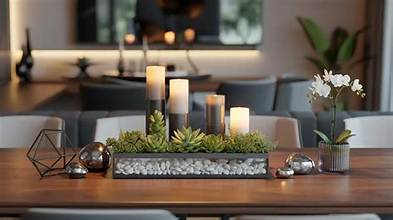
A simple tray can organize smaller accessories. A stack of books can add height and personality. A vase or small plant can introduce an organic touch.
The key is to avoid covering the entire surface. Leaving enough empty space allows the table to remain practical while creating a sense of visual balance.
Decorative objects should also relate to the surrounding interior through color, material, or shape.
Think About Lighting
Lighting and coffee tables work together to create atmosphere. A pendant light positioned above the seating area can visually emphasize the table and establish a defined focal zone.
Floor lamps placed nearby can create a comfortable reading or conversation area.
The table itself can also reflect light. Glass and polished surfaces may enhance brightness, while matte finishes provide a softer appearance.
Considering lighting during the selection process can help ensure that the table looks attractive throughout the day and evening.
Designing for Small Spaces
Small living rooms require careful furniture selection. A coffee table should provide useful surface area without consuming too much floor space.
Round tables, nesting tables, and compact designs can make movement easier. Transparent materials may also create a lighter visual effect.
Another smart solution is choosing a table with integrated storage. This allows one piece of furniture to serve multiple purposes and reduces the need for additional storage units.
Creating a Statement in Large Rooms
Large living rooms offer more opportunities for dramatic furniture choices. A substantial coffee table can become the central visual anchor of a spacious seating arrangement.
Oversized rectangular designs, sculptural bases, and luxurious finishes can create a strong focal point.
In exceptionally large rooms, two coordinated tables can sometimes work better than one. This approach provides flexibility while maintaining a cohesive appearance.
Prioritize Durability
Because coffee tables are frequently used, durability should be part of the purchasing decision. Consider how often the table will be used and what activities will take place around it.
Homes with children or pets may benefit from sturdy surfaces and practical finishes that are easy to maintain.
A durable table can preserve its appearance for years and continue to work with changing furniture arrangements.
Conclusion
Coffee Tables can be much more than decorative additions to a living room. They help organize seating, provide useful surfaces, introduce materials and textures, and create a central point around which the room can be designed.
When selecting a table from the Modern Furniture & Couches category, consider the size of the room, sofa proportions, table shape, materials, color, storage options, and lifestyle requirements.
The perfect coffee table should combine beauty with purpose. With the right choice, it can bring together the sofa, chairs, rug, lighting, and accessories while giving the living room a polished and inviting appearance. Whether your style is minimalist, contemporary, luxurious, or relaxed, a carefully selected coffee table can become one of the most useful and visually important pieces in the entire space.