
Natural Beauty and Functionality for Dining & Living Spaces
Wooden Tables are a timeless furniture solution for homeowners who want to combine natural beauty with practical functionality. As one of the main categories of Dining & Living Tables, wooden designs can be used in dining rooms, living rooms, open-plan spaces, and other areas of the home. Their wide variety of styles, finishes, sizes, and shapes makes them suitable for almost any interior design concept.
From a classic dining table surrounded by comfortable chairs to a contemporary coffee table positioned in the center of a living room, wood can create a warm and welcoming atmosphere. The natural character of the material also gives furniture a distinctive appearance that can complement both modern and traditional interiors.
The Enduring Appeal of Wooden Tables
Wood has been an important furniture material for generations, and its popularity continues because of its natural character and versatility. The grain patterns and subtle variations found in wood can make each table visually unique.
Unlike furniture that is strongly connected to a particular trend, Wooden Tables can adapt as interior styles change. A classic wooden table may look appropriate in a traditional room, while a simple design with clean lines can work beautifully in a contemporary space.
The finish also influences the character of the furniture. Natural finishes emphasize the grain, darker finishes create a richer appearance, and distressed finishes can introduce a relaxed vintage feel.
Wooden Tables in the Dining & Living Tables Category
The Dining & Living Tables category includes furniture designed for some of the most active areas of the home. Dining tables provide surfaces for meals and gatherings, while living room tables support everyday activities and decorative arrangements.
Wooden Tables are particularly effective in this category because they can fulfill different purposes while maintaining a consistent natural aesthetic.
A homeowner can choose a large wooden dining table for family gatherings, a coffee table for the living room, and smaller wooden side tables to complete the seating arrangement. Using related wood finishes across these pieces can create a cohesive design throughout the home.
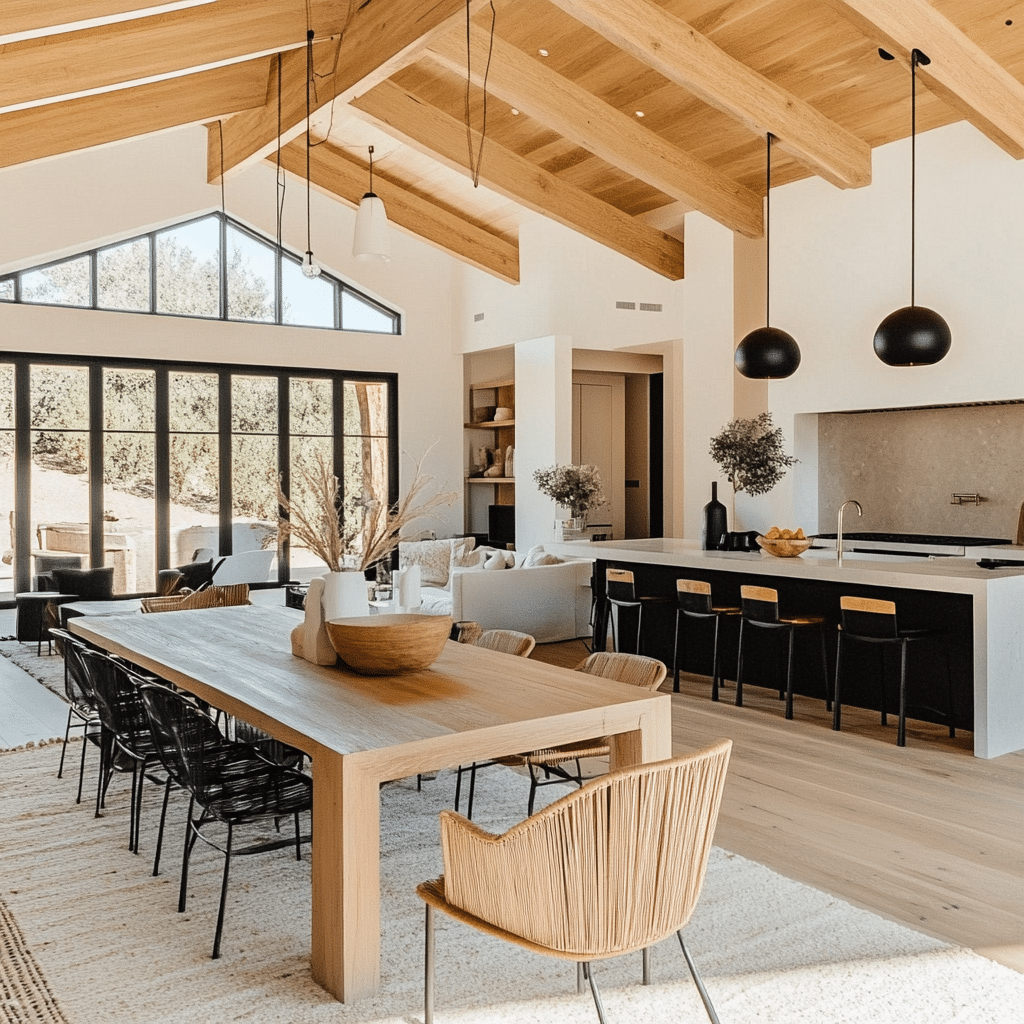
Choosing Wooden Dining Tables
The dining table often becomes the centerpiece of a dining room. It is where family members gather for meals and where guests may spend time during special occasions.
Wooden dining tables can create a warm and inviting environment. Their natural appearance works well with different types of dining chairs, from upholstered designs to modern metal-framed seating.
When choosing a table, consider the size of the room and the number of people who will use it regularly. Rectangular tables are useful for larger dining spaces, while round tables can create a more intimate arrangement.
Oval tables can provide a softer appearance while still offering generous seating space. Extendable Wooden Tables can also be useful for households that occasionally need additional seating.
Wooden Coffee Tables for Living Rooms
A coffee table can play an important role in organizing a living room. It usually sits at the center of the seating area and can become both a practical surface and a decorative focal point.
Wooden coffee tables can complement sofas, armchairs, rugs, and other living room furniture. Their natural texture can add warmth to rooms dominated by neutral colors or modern materials.
The size of the coffee table should correspond to the seating arrangement. A large sectional may require a substantial table, while a smaller sofa and chair arrangement may work better with a compact design.
Round coffee tables can soften angular furniture, while rectangular tables can create a more structured appearance.
Side Tables and Console Tables
Smaller Wooden Tables are useful for adding functionality to different parts of a home. Side tables can be placed next to sofas or chairs, creating convenient surfaces for lamps, books, drinks, and decorative objects.
Console tables can be used in entryways, behind sofas, or against walls. They can provide an attractive location for displaying accessories while making use of otherwise empty areas.
Because these tables generally require less floor space, they can be particularly useful in apartments and compact interiors.
Selecting the Right Wood Finish
The finish is an important consideration when choosing Wooden Tables. Light finishes can create an airy and contemporary appearance. They work particularly well in bright rooms and minimalist interiors.
Medium wood tones provide flexibility and can complement both warm and neutral colors. They can also coordinate easily with different types of furniture.
Dark wood finishes can create a sophisticated and elegant atmosphere. They can work especially well in formal dining rooms or as contrasting elements within lighter living rooms.
For a more relaxed appearance, distressed and weathered finishes can add character and support rustic or vintage-inspired décor.
Finding the Ideal Table Shape
The shape of Wooden Tables should be chosen according to the available space and intended use.
Rectangular tables remain one of the most practical choices for dining rooms because they can accommodate several chairs. They can also work well in longer rooms.
Round tables can make conversation easier and create a more intimate dining experience. Their curved edges can also improve circulation around the furniture.
Square tables can provide balance and symmetry, especially in compact dining areas. Oval tables offer a combination of generous surface space and softer edges.
In living rooms, the table shape should complement the surrounding furniture rather than compete with it.
Combining Wooden Tables With Other Materials
Wood works well with a variety of materials, which makes Wooden Tables highly adaptable. A wooden top paired with metal legs can create a modern or industrial appearance. Glass can be incorporated to create a lighter visual effect.
Dining chairs can also influence the overall appearance of the table. Upholstered chairs can create a soft and comfortable environment, while leather seating can produce a sophisticated look.
Rugs, curtains, cushions, and other textiles can further enhance the natural character of wooden furniture.
The combination of different materials can make a room feel more layered and visually interesting.
Wooden Tables in Contemporary Homes
Contemporary interior design often emphasizes simplicity, clean lines, and functionality. Wooden Tables can support these principles while adding warmth and natural texture.
A contemporary wooden table may feature a simple silhouette and minimal decorative elements. This allows the material itself to become an important part of the design.
In open-plan homes, a wooden dining table can help define the dining zone while maintaining a visual connection with the living area. Coordinating wood tones can make the entire open space feel more unified.
Selecting Wooden Tables for Your Lifestyle
The right table should match the way a household uses its space. Families that eat together frequently may require a spacious and practical dining table.
People who entertain often may prefer an extendable design that can accommodate additional guests. Smaller households or apartment residents may benefit from compact tables that maximize available floor space.
Living room tables should also be selected according to everyday habits. If the coffee table will be used for games, work, meals, or reading, functionality should be a priority. If it is primarily decorative, a more artistic design may be appropriate.
Maintaining the Beauty of Wooden Tables
Regular care can help preserve Wooden Tables and keep them looking attractive. Dust should be removed regularly, and spills should be cleaned promptly.
Coasters and placemats can help protect the surface from moisture and heat. It is important to choose cleaning products that are suitable for the specific finish.
Avoid exposing wooden surfaces to excessive moisture or extreme heat, and follow the manufacturer's care recommendations whenever possible.
Good maintenance can help protect the finish and extend the useful life of wooden furniture.
Why Wooden Tables Remain a Smart Choice
Interior trends may change, but wood continues to work across generations of design. This makes Wooden Tables a practical long-term choice.
A wooden dining table can remain suitable even when the surrounding chairs, lighting, wall colors, or accessories are updated. A wooden coffee table can likewise adapt to different sofas and room arrangements.
This flexibility allows homeowners to enjoy furniture that remains useful and attractive instead of being tied to a short-lived trend.
Final Thoughts
Wooden Tables are an essential part of the Dining & Living Tables category because they combine natural beauty, practical functionality, and design flexibility. They can provide a welcoming focal point in a dining room, anchor a living room seating arrangement, or add useful surfaces throughout the home.
With so many styles, finishes, shapes, and sizes available, homeowners can select Wooden Tables that reflect their personal taste and suit the needs of their space. Whether the preferred aesthetic is contemporary, traditional, rustic, or luxurious, wooden furniture can provide a warm and timeless foundation for creating stylish dining and living environments.