
Personalized Furniture for Modern Living
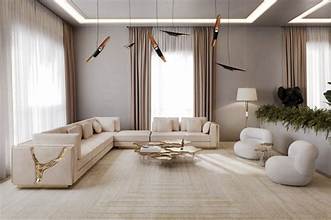
Today's interiors are designed around flexibility. A living room may need to accommodate quiet evenings, family gatherings, weekend entertaining, and moments of relaxation, all within the same space. As lifestyles become more dynamic, furniture that can adapt to these changing needs becomes increasingly valuable. Modular Units provide an effective way to achieve this flexibility while maintaining a stylish contemporary appearance.
Part of the Modern Furniture & Couches category, modular furniture is built around individual sections that can be combined to create a customized arrangement. Instead of committing to one permanent furniture shape, homeowners can choose configurations that fit their rooms and modify them when their requirements change.
Understanding the Modular Approach
Modular furniture is based on a simple idea: several individual components can function together as one complete furniture arrangement. Depending on the design, these components may include corner seats, center sections, chaise lounges, ottomans, or armless pieces.
The individual elements can be connected or positioned separately. This gives homeowners more control over the final layout and makes it easier to respond to the dimensions of the room.
Rather than treating a sofa as a fixed object, modular furniture turns it into a flexible system that can be adapted over time.
Why Modular Furniture Fits Contemporary Homes
Modern homes often prioritize open spaces and multifunctional rooms. A single area may serve several purposes throughout the day.
Modular Units support this lifestyle because their arrangement can change according to the activity. A family can create a spacious lounging area for movie nights and then open the room up when hosting guests.
This flexibility also makes modular furniture useful for homeowners who enjoy changing their interior layout. Even a simple rearrangement can give the room a noticeably different appearance.
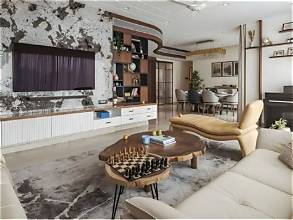
Planning the Furniture Around the Room
Before selecting modular furniture, study the room carefully. Measure the walls and floor area and identify the main paths people use when moving through the space.
Windows, doors, fireplaces, televisions, and other architectural features should also influence the configuration.
A corner sectional can make efficient use of an unused area. A straight arrangement may work better against a long wall. A large U-shaped configuration can create a central gathering area in a spacious room.
The objective is to create a layout that feels natural rather than simply filling the available floor space.
Modular Solutions for Smaller Homes
Limited space often requires creative furniture choices. Modular designs can help because homeowners can select only the components that the room can comfortably accommodate.
A compact modular sofa can provide enough seating without creating the heavy visual effect of a large sectional. Individual pieces can also be positioned strategically to preserve walking space.
An ottoman can offer additional flexibility by serving as seating, a footrest, or a temporary surface. Furniture that performs multiple functions can make a small living room considerably more useful.
Designing Spacious Living Areas
Large rooms can benefit from modular furniture just as much as small ones. When a space is expansive, furniture that is too small can make the room feel disconnected.
A large modular configuration can provide visual weight and establish a central focal point. Additional sections can be used to create separate conversation areas while keeping the overall design cohesive.
This approach works particularly well in large family rooms and entertainment spaces where generous seating is required.
Creating Distinct Zones in Open Interiors
Open-plan layouts are popular because they provide a strong sense of space. However, without careful furniture placement, these interiors can sometimes lack clear organization.
A modular sofa can help define the living zone without creating a physical barrier. For example, the back of a sectional can face the dining area while the seating faces the television or coffee table.
This arrangement visually separates the functions of the room while preserving the openness that makes open-plan design attractive.
Choosing the Right Shape
The silhouette of modular furniture can influence the atmosphere of the entire room. Straight, structured designs can support a clean contemporary aesthetic, while curved components can create a softer and more welcoming appearance.
Deep seating may be ideal for relaxed lounging, while shallower cushions can provide a more upright and formal experience.
Consider the other furniture in the room when choosing the shape. A balanced combination of forms can create visual harmony.
Comfort and Functionality
A modular sofa should look good, but it also needs to be comfortable. Consider how the seating will be used before selecting a design.
Families who spend long periods in the living room may prefer generous cushions and deeper seats. Rooms used primarily for conversation may benefit from firmer seating and supportive backrests.
It is also worth considering the height of the seating in relation to coffee tables and other furniture. Appropriate proportions can make the entire arrangement feel more comfortable.
Selecting Upholstery for Everyday Life
The upholstery material should be chosen according to both lifestyle and design preferences. Soft fabrics can create a cozy atmosphere, while smooth finishes can produce a more refined contemporary look.
If the furniture will receive heavy daily use, durability and maintenance should be priorities. Easy-care materials may be preferable for busy households.
Neutral upholstery is another practical option because it can remain compatible with changing décor styles. Instead of replacing the sofa when the room's color scheme changes, homeowners can update the surrounding accessories.
Building a Modern Color Palette
Color provides an opportunity to make modular furniture either blend into the room or stand out as a focal point.
Neutral shades such as beige, cream, gray, and taupe can create a calm and versatile foundation. Stronger tones can introduce personality and visual depth.
One effective approach is to keep the main furniture relatively neutral and use cushions, artwork, rugs, and decorative objects to introduce accent colors.
This strategy allows the interior to evolve without requiring major furniture changes.
Styling Modular Units With Accessories
The right accessories can make a modular seating arrangement more inviting. A large rug can define the seating area, while a coffee table can provide a functional centerpiece.
Cushions can be arranged in different sizes and textures to create visual depth. Throws can add softness and introduce seasonal character.
Lighting is equally important. Floor lamps can illuminate reading areas, while table lamps can provide softer ambient lighting around the seating arrangement.
The key is to maintain balance. Accessories should support the furniture instead of making the space feel overcrowded.
Rearranging for Different Occasions
Another advantage of modular furniture is its ability to support different types of gatherings. For everyday use, the sections can be arranged to maximize relaxation.
When guests arrive, the furniture can potentially be repositioned to create better conversation areas. During cleaning or redecorating, individual components can be moved more easily than a single oversized piece.
This adaptability gives homeowners more freedom to use their living space in different ways.
A Furniture Solution That Can Grow With You
One of the strongest arguments for modular furniture is its long-term flexibility. Life does not always remain the same. People move, rooms change, and household needs evolve.
A modular system can potentially adapt to these changes through rearrangement or the addition of compatible components. This means the furniture can remain useful even when the original room layout no longer applies.
For homeowners who value flexibility, this can make modular furniture a particularly practical investment.
Conclusion
Modular Units offer a personalized approach to modern furniture. Their individual components provide homeowners with the freedom to create seating arrangements that match the size, purpose, and character of their rooms.
Whether used in a compact apartment, a spacious family room, or an open-plan interior, modular furniture can deliver comfort while allowing the layout to evolve. Choosing suitable configurations, upholstery, colors, and accessories can further enhance both functionality and visual appeal.
As part of the Modern Furniture & Couches category, modular furniture reflects the needs of contemporary living. Its combination of adaptable design, practical functionality, and modern style makes it an excellent choice for homeowners who want furniture that can change with their space and lifestyle.