
A Complete Guide to Choosing Furniture Upholstery
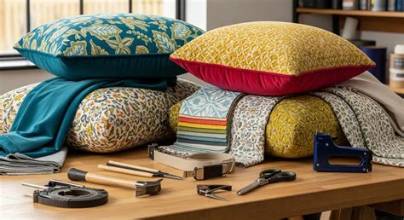
When buying upholstered furniture, the fabric is just as important as the frame, shape, and overall design. A beautiful sofa or accent chair can transform a room, but the wrong upholstery may become difficult to maintain or fail to meet the demands of everyday use. Understanding the characteristics of different materials can therefore make furniture shopping much easier.
For shoppers comparing upholstery options, Fabric Guides provide useful information about texture, durability, comfort, appearance, and maintenance. Learning what to look for before purchasing can help you select furniture that works well with your lifestyle and complements your home's interior design.
As part of essential Furniture Buying Tips, fabric selection should never be treated as an afterthought. The right upholstery can improve the appearance and usability of furniture while helping it remain attractive over time.
Why Furniture Fabric Deserves Attention
The upholstery of a piece of furniture serves both practical and decorative purposes. It is the surface that people see and touch, but it also needs to withstand regular use.
A living room sofa, for example, may experience daily sitting, movement, spills, and exposure to sunlight. A decorative chair in a formal room may receive considerably less use.
Because furniture has different purposes, there is no single fabric that is ideal for every situation. The best choice depends on how the furniture will be used, where it will be placed, and the level of maintenance you prefer.
Explore Different Types of Upholstery
One of the most useful steps in the furniture-buying process is learning about common upholstery materials.
Cotton is widely appreciated for its comfortable feel and versatility. It can be found in numerous colors and patterns and works with many decorating styles.
Linen is known for its natural appearance and breathable texture. It can create a relaxed and sophisticated look, making it popular in contemporary and casual interiors.
Velvet offers a distinctive soft surface and a luxurious visual effect. It can be particularly effective on statement sofas, accent chairs, ottomans, and upholstered beds.
Polyester is commonly selected for its practical qualities and wide range of available finishes. It can be suitable for furniture that experiences regular use.
Microfiber has a smooth, soft texture and is often considered when easy everyday care is important.
Blended fabrics combine multiple fibers to achieve a balance of characteristics, such as softness, durability, or improved performance.
Think About How the Furniture Will Be Used
One of the most important Furniture Buying Tips is to consider your daily routine before choosing upholstery.
If a sofa is used by the entire family every day, it needs to handle considerably more activity than a chair used only occasionally.
Families with young children may want practical upholstery that is easier to clean. Homes with pets should also consider factors such as fabric texture, durability, and how easily pet hair may be removed.
For a formal sitting room, appearance and texture may take priority because the furniture is not exposed to constant activity.
The right fabric is therefore determined by your lifestyle rather than simply by current design trends.
Evaluate Durability Before Buying
A fabric's appearance can be attractive, but durability is equally important.
High-use furniture should generally have upholstery designed to handle repeated contact and everyday wear. Consider the fabric's construction and any available information about its performance.
A tightly woven upholstery may be appropriate for furniture that receives frequent use. Delicate decorative fabrics may be better suited to pieces that are used less often.
However, durable does not have to mean unattractive. Many modern upholstery materials are designed to combine performance with sophisticated colors, patterns, and textures.
Consider the Texture
Texture influences both the appearance and feel of furniture.
Smooth upholstery can give a sofa or chair a clean, contemporary appearance. It may also work well in minimalist interiors where simple surfaces are part of the overall design.
Textured fabrics can add dimension to a room. Subtle woven details can make neutral furniture more interesting without introducing a strong pattern.
Velvet creates a rich and dramatic effect, while linen-inspired materials can contribute to a relaxed and natural atmosphere.
When choosing texture, consider the other materials in the room. Combining leather, wood, metal, glass, rugs, and different textile surfaces can create a more layered interior.
Choose a Suitable Fabric Color
Color is one of the easiest ways to change the personality of upholstered furniture.
Neutral colors such as cream, beige, gray, taupe, and brown can provide flexibility. They can work with changing décor and allow accessories such as cushions and rugs to introduce stronger colors.
Darker shades can create a dramatic appearance and may be practical in certain high-use environments. Rich colors can also turn an otherwise simple sofa or chair into a focal point.
Lighter upholstery can make furniture feel fresh and airy but may require more attention in busy households.
Before selecting a color, compare it with the existing walls, flooring, curtains, rugs, and other furniture. The goal should be a cohesive interior rather than a collection of unrelated colors.
Fabric Guides for Different Rooms
Different rooms may require different upholstery characteristics.
In a living room, furniture is often used frequently, so durability and comfort are important. Sofas and lounge chairs should feel inviting while also handling regular activity.
Dining chairs may be exposed to food and drink, making easy maintenance especially valuable.
In a bedroom, upholstered headboards and benches can prioritize softness and visual appeal because they generally experience different types of use.
Accent chairs can provide greater freedom for decorative fabrics because they are often selected to add personality to a specific area.
Understanding the room's function makes it easier to narrow down your upholstery options.
Think About Maintenance
Maintenance requirements should be considered before making a purchase.
Some fabrics can be vacuumed regularly and spot-cleaned when necessary, while others may require specialized treatment. Always check the manufacturer's care recommendations.
Think about how much time you realistically want to spend maintaining your furniture. If you prefer low-maintenance pieces, choose upholstery that fits that preference.
Regular care can also extend the life of furniture. Dusting, vacuuming, promptly addressing spills, and following appropriate cleaning instructions can help upholstery maintain its appearance.
Pay Attention to Sunlight
The location of furniture can affect fabric performance. Furniture positioned close to large windows may receive significant amounts of direct sunlight.
Over time, prolonged exposure may affect certain colors and materials. If your furniture will be placed in a bright room, consider the fabric's suitability for that environment and use appropriate window treatments when possible.
This is particularly important when choosing richly colored or delicate upholstery.
Test the Fabric Before Purchasing
If possible, examine a fabric sample before ordering furniture. A sample allows you to evaluate the material under the lighting conditions of your home.
Look at the color during different times of day and compare the sample with nearby furniture and décor.
You should also touch the fabric. Comfort can be difficult to judge from photographs alone, particularly when choosing a sofa, lounge chair, or upholstered bed.
A sample can help you make a decision based on both appearance and practical expectations.
Avoid Choosing Fabric Based Only on Trends
Furniture is often a long-term investment, so choosing upholstery solely because it is fashionable may not always be the best strategy.
Trends can change quickly. A color or pattern that is popular today may feel less suitable several years later.
If you prefer a timeless approach, consider classic colors and textures for larger furniture pieces. Decorative cushions, throws, artwork, and accessories can introduce current trends without requiring you to replace the main furniture.
Balance Style, Comfort, and Practicality
The ideal upholstery should balance several factors rather than focusing on only one.
A fabric can be visually attractive but unsuitable for heavy use. Another may be extremely durable but fail to create the atmosphere you want.
Think about comfort, appearance, durability, maintenance, and room design together.
This balanced approach is one of the most useful principles found in Fabric Guides and broader Furniture Buying Tips. It allows you to select furniture based on how it will actually function in your home.
Final Thoughts
Choosing furniture upholstery requires more consideration than simply selecting a favorite color. The fabric affects comfort, style, durability, maintenance, and the overall character of the room.
By using reliable Fabric Guides, shoppers can become more familiar with different materials and understand which options are better suited to their needs. Consider the furniture's purpose, frequency of use, room conditions, fabric texture, color, maintenance requirements, and expected durability before making a final decision.
With thoughtful planning, the right upholstery can help your furniture look beautiful while remaining comfortable and practical for everyday life. Whether you are furnishing a busy family room, an elegant dining area, or a relaxing bedroom, making fabric selection part of your furniture research can lead to a smarter and more satisfying purchase.