
An Essential Category of Contemporary Bedrooms
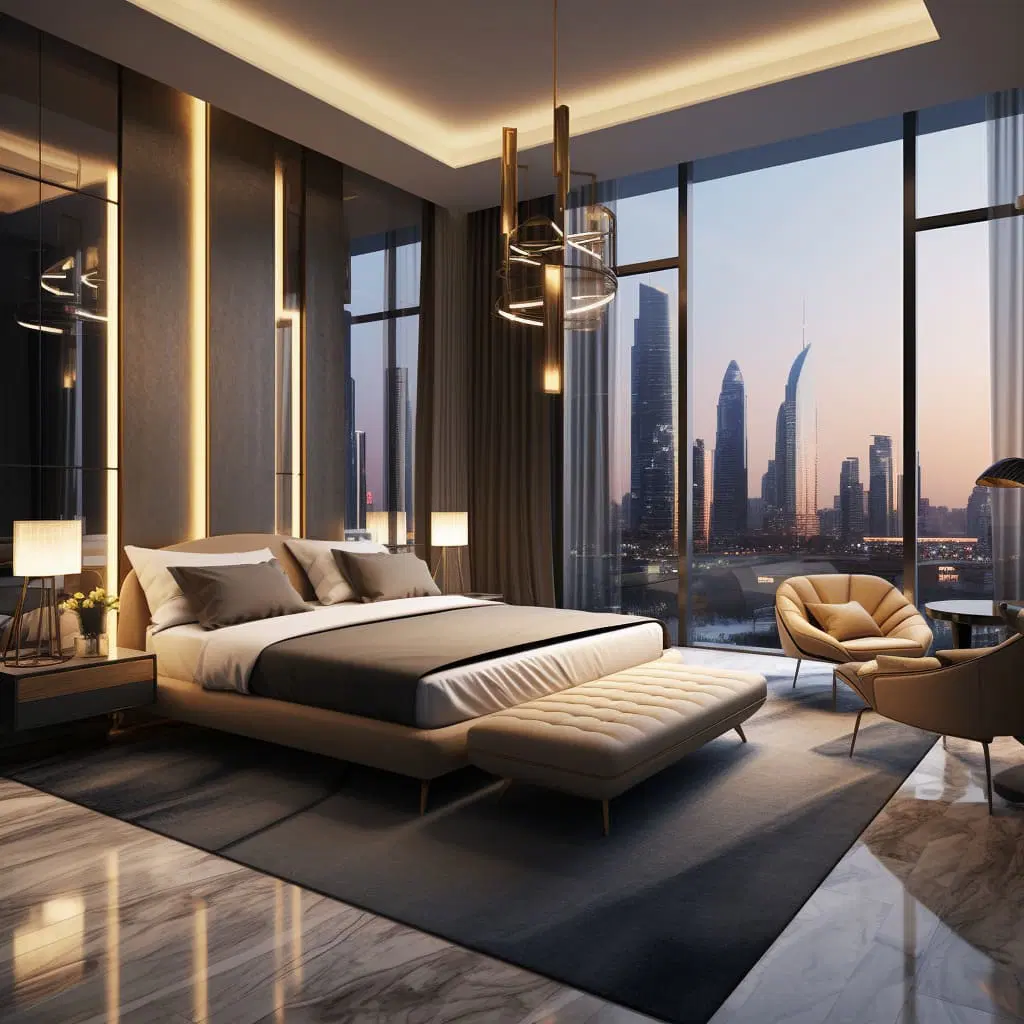
A contemporary bedroom is a carefully balanced combination of comfort, functionality, and modern style. While the bed is typically the main focal point, the surrounding furniture is equally important for creating a complete and practical space. Among the main categories of Contemporary Bedrooms furniture, Nightstands are essential pieces that combine convenient storage, useful surface space, and attractive design.
Whether you are furnishing a spacious master bedroom, a compact guest room, or a modern apartment bedroom, the right nightstands can make the space more organized and visually cohesive. Contemporary designs are available in a wide range of materials, finishes, sizes, and configurations, making it possible to find options that complement virtually any interior.
The Role of Nightstands in Contemporary Bedrooms
Nightstands are positioned beside the bed to provide easy access to everyday necessities. A well-designed piece creates a convenient place for a bedside lamp, smartphone, alarm clock, books, glasses, or other personal items.
Their storage capabilities can be just as valuable. Drawers and compartments provide space for smaller belongings that might otherwise be left on the bed, dresser, or floor. Keeping these items organized can make the bedroom feel calmer and more comfortable.
Nightstands also have an important decorative role. When two pieces are placed on either side of the bed, they create symmetry and help frame the sleeping area. This arrangement can give the bedroom a polished appearance and make the overall furniture layout feel intentional.
Contemporary Nightstand Styles
Contemporary bedroom furniture is known for its variety, and nightstands are available in numerous designs. Minimalist models often feature clean lines, smooth surfaces, and simple hardware. These pieces work particularly well in bedrooms that emphasize simplicity and open space.
For homeowners who prefer a more luxurious look, contemporary nightstands may include metallic hardware, glossy surfaces, mirrored panels, textured details, or decorative drawer fronts. Such features can create a sophisticated appearance without making the room feel excessively ornate.
Some designs combine contemporary shapes with traditional materials. For example, a nightstand may feature a modern silhouette while incorporating natural wood or decorative metal accents. These combinations can help create a warm and personalized bedroom.
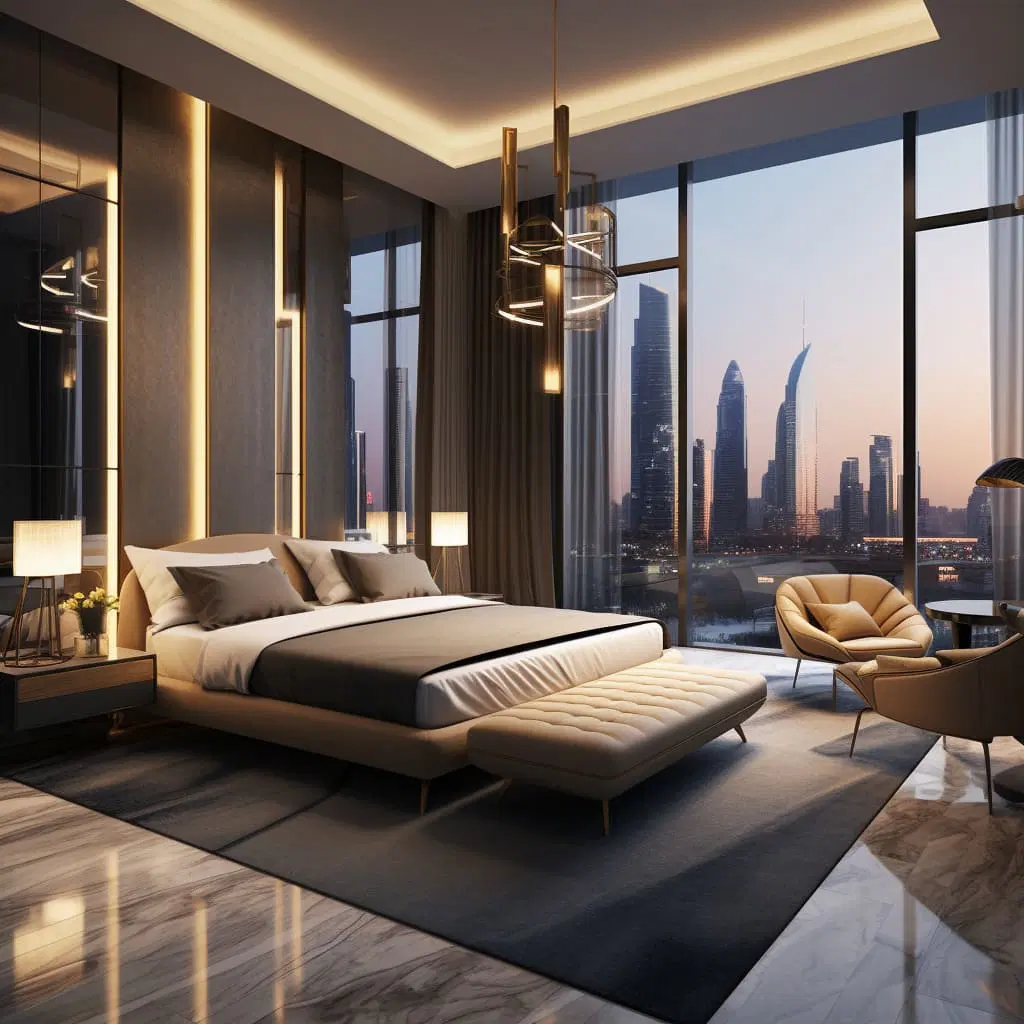
Finding the Right Size
Choosing the appropriate size is essential for both comfort and appearance. The nightstand should be proportional to the bed and should fit comfortably within the available floor space.
Height is especially important. A nightstand that is close to mattress level is generally convenient because items can be reached easily while sitting or lying in bed.
Width should be based on the amount of surface and storage space required. A small bedroom may benefit from a narrow design, while a larger room can accommodate wider nightstands with several drawers.
Depth should also be considered. A piece that extends too far into the room can restrict movement and make the bedroom feel crowded. Measure the space carefully and ensure that drawers can open fully without hitting the bed or another piece of furniture.
Storage and Organization
One of the most useful characteristics of contemporary nightstands is their ability to provide additional storage. The ideal storage configuration depends on the homeowner's lifestyle.
A compact nightstand with one drawer may be enough for basic items such as a phone charger, reading glasses, or a book. Models with multiple drawers provide more room for accessories, electronics, personal belongings, and other essentials.
Open shelves can be used for books and decorative objects while keeping frequently used items accessible. Some nightstands combine shelves and drawers to provide both open and concealed storage.
For bedrooms with a strong minimalist aesthetic, enclosed storage can be particularly helpful. By placing small personal items inside drawers, homeowners can keep the tabletop clean and uncluttered.
Materials and Finishes
The material of a nightstand can influence the entire character of the bedroom. Wood remains a popular choice because it adds warmth and works well with many contemporary styles.
Natural wood finishes can create a relaxed and welcoming environment, while darker wood tones may give the room a richer and more dramatic appearance. Lighter finishes can make the furniture feel fresh and airy.
Painted finishes can also complement contemporary bedrooms. Neutral colors such as white, gray, black, and beige are versatile and can coordinate with different bedding and wall colors.
Glossy surfaces offer a polished appearance and can reflect light, while matte finishes provide a softer and more understated aesthetic. Metallic details in gold, silver, brass, or other finishes can add an elegant accent.
Coordinating Nightstands With the Bed
The relationship between the bed and nightstands is important because these pieces occupy the central area of the bedroom. They do not have to match perfectly, but they should complement one another.
For example, a contemporary upholstered bed can be paired with sleek wood or lacquered nightstands. A wooden bed can be complemented by nightstands in a similar or contrasting wood tone.
Matching nightstands remain a popular choice because they create symmetry and make the bedroom feel organized. However, contemporary design also allows homeowners to experiment with different pieces.
Two different nightstands can work successfully when they share common features such as similar proportions, complementary colors, related materials, or matching hardware.
The Connection Between Nightstands and Lighting
Nightstands and bedroom lighting often work together. A table lamp placed on a bedside table provides convenient illumination for reading and relaxing while contributing to the room's decorative design.
Before choosing a nightstand, consider the size of the lamp and the amount of space needed for other essentials. A wider surface may be preferable if you want to keep several objects beside the bed.
For a more streamlined contemporary look, wall-mounted sconces and pendant lights can be used instead of table lamps. These options leave more space on the nightstand and emphasize its clean design.
The lighting fixture should also be proportional to the nightstand. Balanced proportions can prevent the furniture arrangement from looking too heavy or too small.
Styling Contemporary Nightstands
A contemporary nightstand should look organized rather than overcrowded. A few carefully chosen accessories are usually enough to create an attractive arrangement.
A lamp can serve as the primary decorative and functional feature. You can then add a small plant, book, decorative tray, or personal object.
Keeping some empty space on the tabletop is important. It allows the furniture to remain practical and reinforces the clean aesthetic associated with contemporary design.
Drawers can be used to store chargers, accessories, and other small belongings. This simple approach helps maintain a tidy bedroom and prevents everyday clutter from becoming part of the décor.
Creating Balance Around the Bed
Nightstands can help establish balance throughout the bedroom. Two matching pieces positioned on either side of the bed can create symmetry and make the sleeping area appear more complete.
This approach works particularly well with larger beds and statement headboards. The nightstands help connect the bed to the surrounding furniture and establish a clear visual structure.
Asymmetrical arrangements are also possible. Using different nightstands can give the bedroom a more relaxed and individualized character. To maintain harmony, the pieces should have some relationship through their height, finish, color, or overall visual weight.
Choosing Quality Nightstands
Since nightstands are used every day, durability should be an important consideration. A well-made piece should have sturdy construction, smooth drawers, dependable hardware, and a finish capable of handling regular use.
Quality furniture can also offer better long-term value. Rather than choosing a design based only on current trends, consider whether its shape and finish will continue to work if you change other aspects of the bedroom.
Neutral finishes and timeless silhouettes are particularly versatile. They can complement new bedding, rugs, artwork, wall colors, and lighting fixtures as your interior evolves.
Final Thoughts
Nightstands are an important category within contemporary bedrooms because they combine functionality, organization, and visual appeal. They provide a convenient place for personal essentials, offer additional storage, support bedside lighting, and help create balance around the bed.
From simple minimalist pieces to sophisticated designs featuring luxurious finishes and decorative details, contemporary nightstands can suit a wide range of preferences. The best choice depends on the bedroom's size, the bed's proportions, storage requirements, preferred materials, and overall design style.
When thoughtfully selected, nightstands can transform the space beside the bed and contribute to a more comfortable and organized bedroom. As one of the main categories of contemporary bedroom furniture, they demonstrate how a practical piece can also become an important part of a stylish and cohesive interior.