
Smart and Flexible Furniture Ideas for Modern Homes
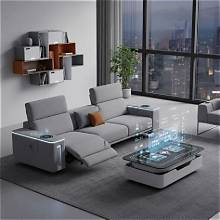
Modern furniture is increasingly expected to do more than fill a room. Homeowners want pieces that provide comfort, complement contemporary interiors, and adapt to changing needs. This is why Modular Units have become an appealing choice for modern living spaces. With separate components that can be combined and rearranged, modular furniture gives homeowners greater freedom to create a layout that works for their lifestyle.
As part of the Modern Furniture & Couches category, modular furniture is especially valuable for those who want a balance between functionality and sophisticated design. Whether the room is compact or spacious, modular seating can be configured to make better use of the available space while creating a comfortable environment for everyday life.
The Idea Behind Modular Units
The concept of modular furniture is based on flexibility. Instead of manufacturing one large piece with a fixed shape, modular designs use multiple sections that work together as a coordinated system.
A modular seating collection may include individual seats, corner sections, chaise pieces, ottomans, and other components. These elements can be arranged together to form different configurations.
This design approach gives homeowners more control over their interiors. The furniture can be organized according to the room rather than forcing the room to accommodate a predetermined shape.
A Furniture Choice Designed for Modern Lifestyles
Modern households often need rooms to serve several purposes. A living room can become a place for family gatherings, casual meals, entertainment, relaxation, or occasional work.
Modular Units can accommodate these different activities because their configuration can be changed. A spacious sectional arrangement may be perfect for a family movie night, while a more open layout can be created when guests need additional room to move around.
This versatility makes modular furniture a practical choice for households that value both comfort and adaptability.
Start With the Architecture of the Room
The architecture of the room should guide the furniture layout. Before selecting modular pieces, examine the walls, corners, windows, entrances, and major pathways.
An L-shaped arrangement can make excellent use of a corner while providing generous seating. A straight configuration may be better suited to a narrow wall. In larger rooms, a U-shaped arrangement can create a central social area.
It is also important to leave enough space between furniture pieces and other features. A room should feel comfortable to move through rather than tightly packed.
Making Small Rooms More Functional
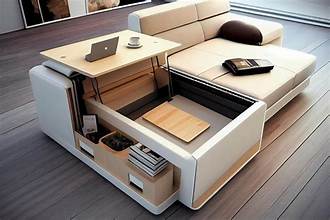
Modular furniture can be particularly helpful when floor space is limited. Instead of choosing a large sectional simply because it offers more seats, homeowners can select a smaller combination that fits the room's dimensions.
Individual pieces can be positioned to make efficient use of corners and walls. An ottoman can add another seating option without requiring a permanent chair.
This flexibility allows compact living rooms to remain functional while preserving an open and uncluttered appearance.
Creating Structure in Large Spaces
Spacious living rooms can sometimes lack a clear sense of organization. Modular furniture can help establish a defined seating zone without requiring architectural changes.
A large modular sofa can act as the central element of the room, with a coffee table and rug completing the arrangement. Additional modules can create separate areas for reading or conversation.
In particularly large interiors, modular pieces can be used to divide the room into functional zones while maintaining visual continuity.
Defining Open-Plan Living Areas
Open-plan homes benefit from furniture that can create subtle boundaries. Modular sofas are particularly effective because their size and shape can establish a clear living area.
For example, positioning a sectional between the living and dining areas can visually separate the two spaces. The arrangement maintains an open atmosphere while giving each zone a distinct function.
This technique can also help create a stronger sense of organization in studio apartments and large multifunctional rooms.
Choosing a Style That Matches Your Interior
Modular furniture is available in many contemporary silhouettes. Clean rectangular forms can complement minimalist spaces, while softer shapes may create a relaxed and welcoming atmosphere.
Consider the existing furniture and architectural style before selecting a modular design. The sofa should feel like part of the overall interior rather than an isolated feature.
For a cohesive appearance, look for connections between the sofa's shape, coffee table, lighting, flooring, and decorative accessories.
Prioritizing Everyday Comfort
Visual design is important, but comfort should never be overlooked. Since the living room is often one of the most frequently used areas of a home, seating should provide appropriate support for extended periods.
Consider seat depth, cushion firmness, back support, and overall height. Different households may have different preferences, so the ideal configuration is one that supports the way the space is actually used.
A comfortable modular sofa can transform the living room into a more inviting environment for both everyday relaxation and social occasions.
Selecting Durable Materials
The material of the furniture should reflect the demands of the household. Homes with frequent use may benefit from durable upholstery that can withstand regular sitting and cleaning.
Fabric upholstery can offer softness and a wide range of colors and textures. Other materials can provide a smoother and more polished appearance.
When comparing options, consider maintenance requirements as well as visual appeal. A beautiful material that is difficult to maintain may not be the best option for a busy family.
Building a Balanced Color Scheme
Color can determine whether modular furniture blends into the interior or becomes its main focal point. Neutral tones are particularly useful because they work with many different decorating styles.
Cream, beige, gray, taupe, and soft brown can create a calm foundation. Stronger colors can be introduced through cushions, throws, rugs, and artwork.
For a more dramatic look, a dark modular sofa can anchor a light-colored room. The surrounding elements should then be coordinated to prevent the space from feeling visually unbalanced.
Accessorizing Without Losing Simplicity
Accessories should enhance the modular arrangement rather than overwhelm it. A large rug can help define the seating area, while a coffee table can provide a practical centerpiece.
Cushions and throws can introduce texture and seasonal accents. Floor lamps can improve lighting while adding another decorative element.
The best results often come from selecting a limited number of complementary accessories and leaving enough open space around the furniture.
The Advantage of Rearrangement
One of the most practical benefits of modular furniture is that it allows experimentation. Homeowners can try different arrangements until they discover one that best suits the room.
The furniture can be changed for special occasions or reorganized after a renovation. This can make the living room feel new without requiring a completely new furniture set.
This flexibility is especially valuable for people who enjoy refreshing their interior design from time to time.
A Future-Friendly Furniture Investment
Furniture is a long-term purchase, so adaptability can be an important consideration. Modular systems offer the possibility of changing the configuration as household requirements evolve.
Moving to a new property may require a different arrangement. A growing family may need more seating. A redesigned living room may require a more open configuration.
Because the furniture is composed of separate sections, it can provide greater flexibility than a single fixed piece.
Conclusion
Modular Units offer a smart way to combine contemporary design with practical flexibility. Their separate components make it possible to create personalized seating arrangements that suit different rooms, lifestyles, and activities.
From compact apartments to expansive living rooms and open-plan homes, modular furniture can help homeowners use their space more effectively while maintaining a stylish appearance. The right configuration, materials, colors, and accessories can create a comfortable interior that feels cohesive and thoughtfully designed.
As a key option within Modern Furniture & Couches, modular furniture reflects the changing expectations of modern homeowners. Its ability to adapt, rearrange, and evolve makes it a practical and attractive solution for creating a living space that works today and remains useful in the future.